
History of the Poet's Dream
- First printed
- 1931
- Book
- Old Waldorf-Astoria Bar Days
- Family
- Martini variation
- Ancestor
- Ford Cocktail, 1890s
The Poet's Dream was first published in Albert Stevens Crockett's 1931 book Old Waldorf-Astoria Bar Days, which recorded the drinks of the famous New York hotel bar. The recipe was equal parts Bénédictine, French vermouth and dry gin, with lemon peel squeezed on top.
That version is very sweet. Modern bars use far more gin and only a touch of Bénédictine, which turns it into an elegant, honeyed Martini. Its ancestor is the Ford Cocktail of the 1890s, made with Old Tom gin.
How to Get It Right
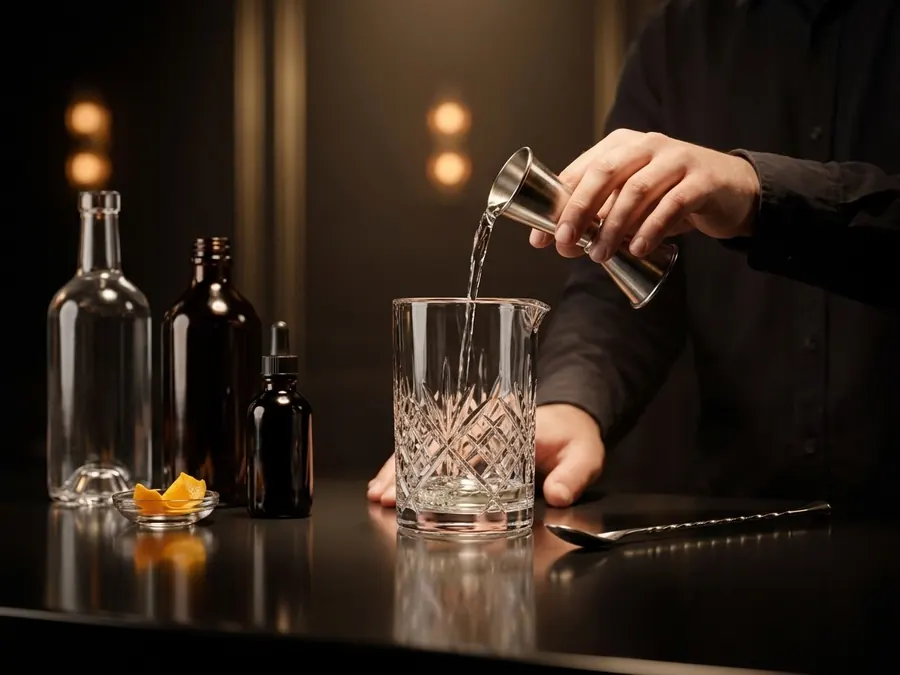
- Keep the Bénédictine small: a quarter of an ounce is plenty.
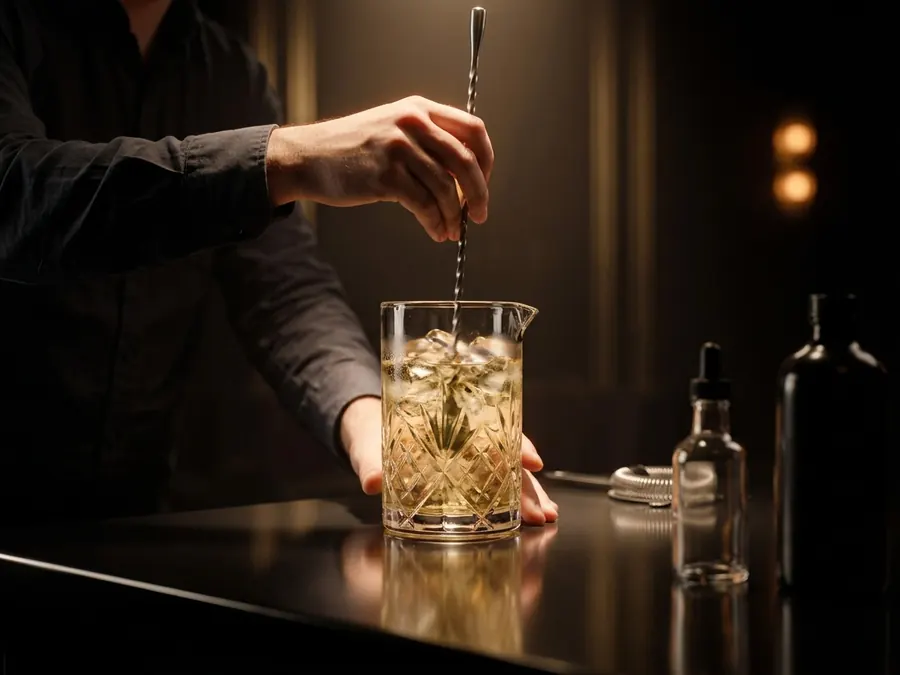
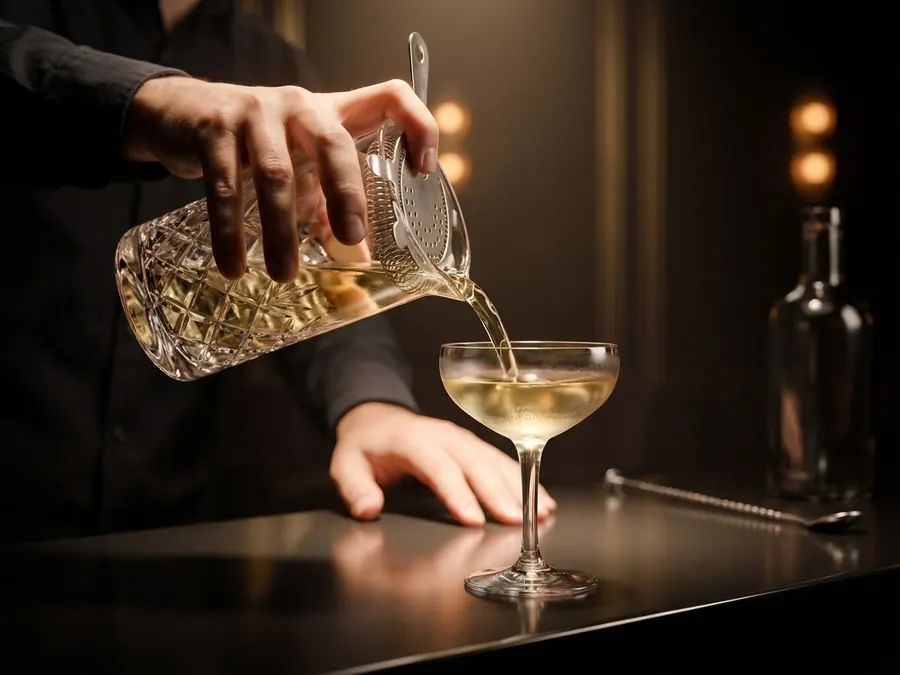
- Stir with ice until very cold and serve in a chilled coupe.
- Squeeze the lemon peel over the drink for a bright aroma.
Variations
| Variation | What changes |
|---|---|
| Dry Martini | No Bénédictine |
| Martinez | Sweet vermouth and maraschino |
| Equal-parts Poet's Dream | The sweet 1931 version |
Poet's Dream FAQ
What is in a Poet's Dream?
Gin, dry vermouth, a little Bénédictine and orange bitters.
Is it sweet?
The modern version is only lightly sweet. The 1931 equal-parts version is much sweeter.
Can I use bianco vermouth?
Yes. It makes a softer, rounder drink.
What glass is a Poet's Dream served in?
A coupe. The stem keeps your hand away from the cold drink, and the curved rim makes it far harder to spill than a V-shaped martini glass.
Is a Poet's Dream shaken or stirred?
Stirred. It contains only spirits and modifiers, so stirring chills and dilutes it while keeping it clear and silky.
How strong is a Poet's Dream?
About 24% ABV after dilution, or roughly 1.8 US standard drinks (25 g of alcohol) per serve.
How many calories are in a Poet's Dream?
Roughly 187 kcal per drink, most of it from alcohol.
Can I make a Poet's Dream without London dry gin?
Yes. Vodka is the closest substitute, though the drink will taste different.


