
History of the Capitán
- Origin
- Peru
- Popular from
- 1920s
- Family
- Spirit-forward
- Base
- Pisco
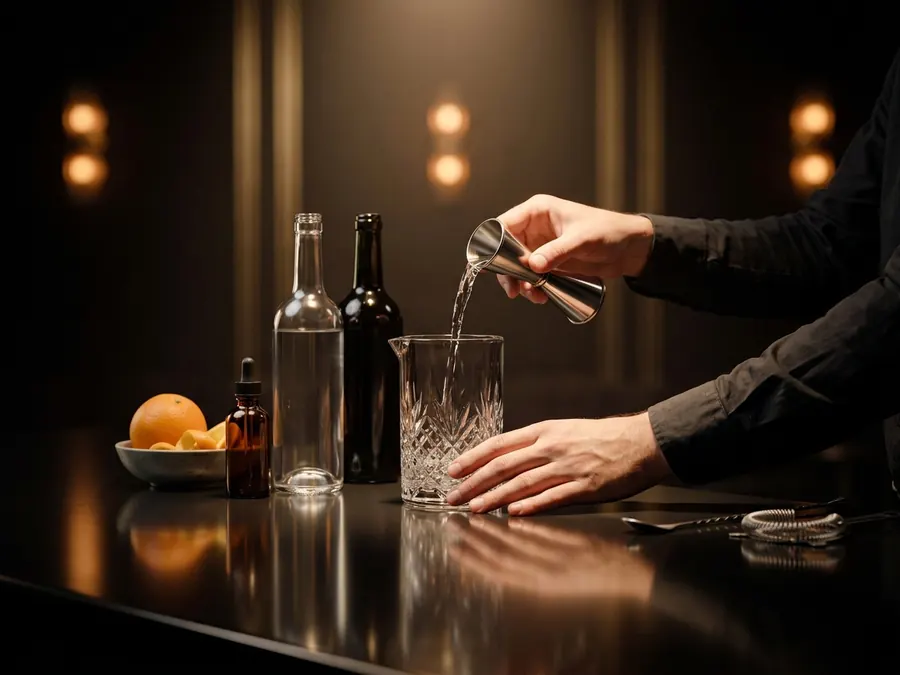
The Capitán is Peru's take on the Manhattan, made with pisco and sweet vermouth. A popular story says it was created in the 1920s for army captains in the cold Andean highlands who mixed pisco with vermouth to stay warm. Whatever its origin, it is a classic in Lima's old bars, served alongside the Pisco Sour and Chilcano.
Recipes differ: some use equal parts, others more pisco. Aromatic pisco (Italia or Torontel grapes) adds a floral note.
Fun Facts
- Peruvian pisco is distilled to proof, never diluted with water.
- Lima's Hotel Bolívar and Bar Cordano are known for traditional versions.
- A dash of bitters gives it more structure.
Variations
| Variation | What changes |
|---|---|
| Manhattan | Rye whiskey |
| Pisco Sour | Lime, sugar and egg white |
| Chilcano | Ginger ale and lime |
Capitán FAQ
What is a Capitán cocktail?
Pisco and sweet vermouth, stirred and served up.
What pisco should I use?
A Peruvian quebranta or acholado pisco, or an aromatic Italia for more perfume.
Is it like a Manhattan?
Yes, it is often called the Peruvian Manhattan.
What glass is a Capitán served in?
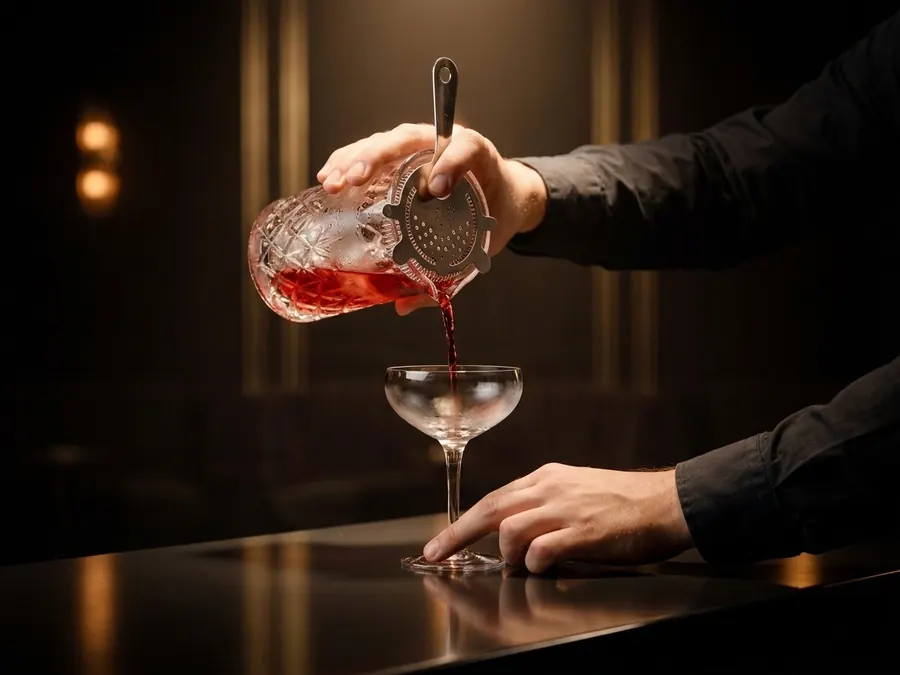
A coupe. The stem keeps your hand away from the cold drink, and the curved rim makes it far harder to spill than a V-shaped martini glass.
Is a Capitán shaken or stirred?
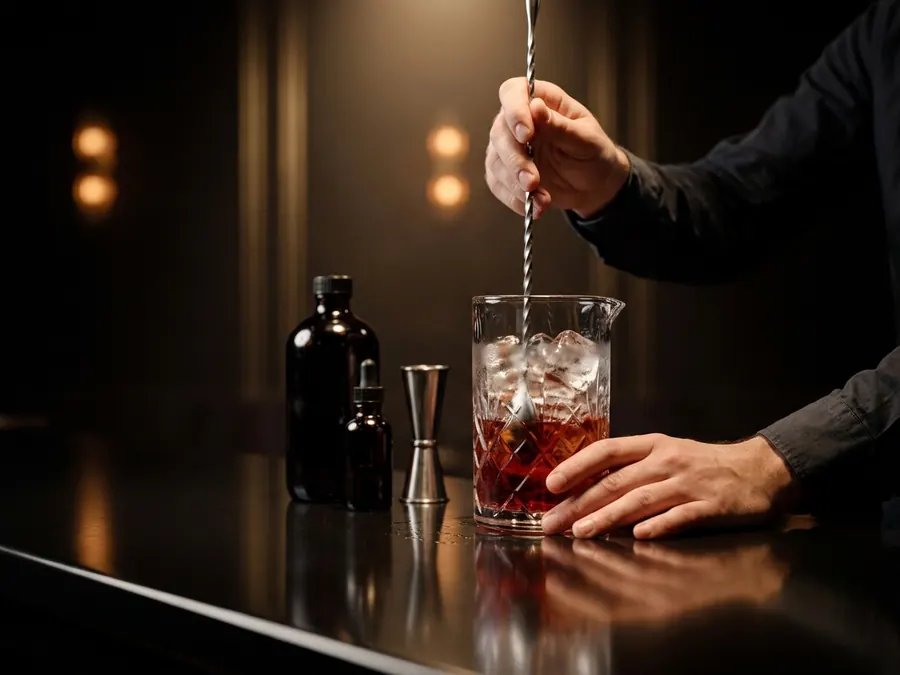
Stirred. It contains only spirits and modifiers, so stirring chills and dilutes it while keeping it clear and silky.
How strong is a Capitán?
About 20% ABV after dilution, or roughly 1.5 US standard drinks (20 g of alcohol) per serve.
How many calories are in a Capitán?
Roughly 170 kcal per drink, most of it from alcohol.
Can I make a Capitán without pisco?
Yes. Cognac is the closest substitute, though the drink will taste different.


