
History of the Paradise
- Origin
- London and Paris
- First printed
- 1922, Harry MacElhone; 1930, Savoy Cocktail Book
- Family
- Shaken, fruity
The Paradise appeared in Harry MacElhone's 1922 ABC of Mixing Cocktails and in the Savoy Cocktail Book of 1930. Its formula of gin, apricot brandy and orange juice was typical of the era, when fruit liqueurs and juice made gin easy to enjoy.
Fun Facts
- Apricot brandy in old books usually means apricot liqueur.
- A dash of lemon juice keeps the modern version from being too sweet.
- The Paradise is a gentle introduction to gin cocktails.
Variations
| Variation | What changes |
|---|---|
| Angel Face | Calvados, no orange juice |
| Bronx | Vermouths instead of apricot |
Paradise FAQ
What is in a Paradise cocktail?
Gin, apricot liqueur and orange juice, often with a dash of lemon.
Is it sweet?
Fruity and moderately sweet.
When was the Paradise created?
It was printed by 1922.
What glass is a Paradise served in?
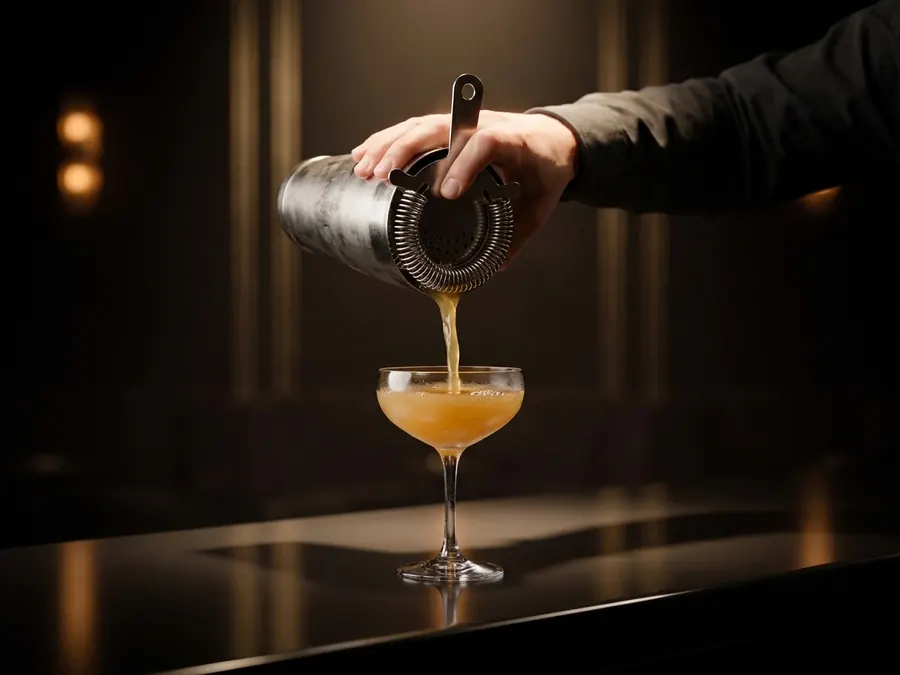
A coupe. The stem keeps your hand away from the cold drink, and the curved rim makes it far harder to spill than a V-shaped martini glass.
Is a Paradise shaken or stirred?
Shaken. It contains citrus, juice, cream or egg, which need the force and aeration of shaking.
How strong is a Paradise?
About 16% ABV after dilution, or roughly 0.9 US standard drinks (13 g of alcohol) per serve.
How many calories are in a Paradise?
Roughly 123 kcal per drink, most of it from alcohol.
Can I make a Paradise without London dry gin?
Yes. Vodka is the closest substitute, though the drink will taste different.


