
History of the Harvard
- Origin
- New York, USA
- First printed
- 1895
- Family
- Manhattan
- Base
- Cognac
The Harvard first appears in George J. Kappeler's 1895 book Modern American Drinks: equal parts brandy and Italian vermouth, a dash of gum syrup and Angostura, stirred, strained and filled up with seltzer.
Bartenders today keep the splash of soda water smaller, but it is still what makes a Harvard lighter and livelier than a straight brandy Manhattan.
How to Get It Right
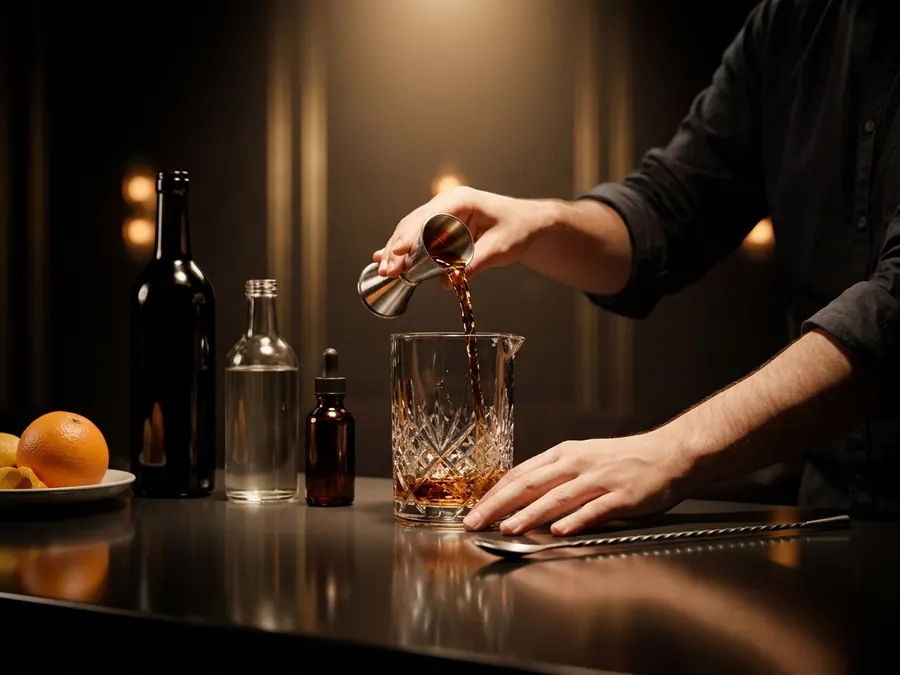
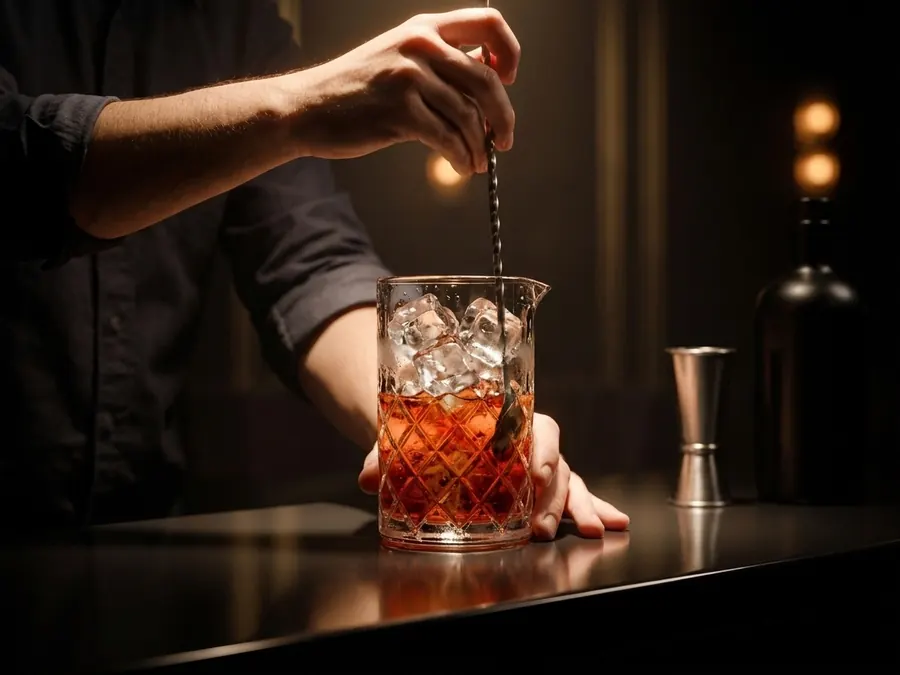
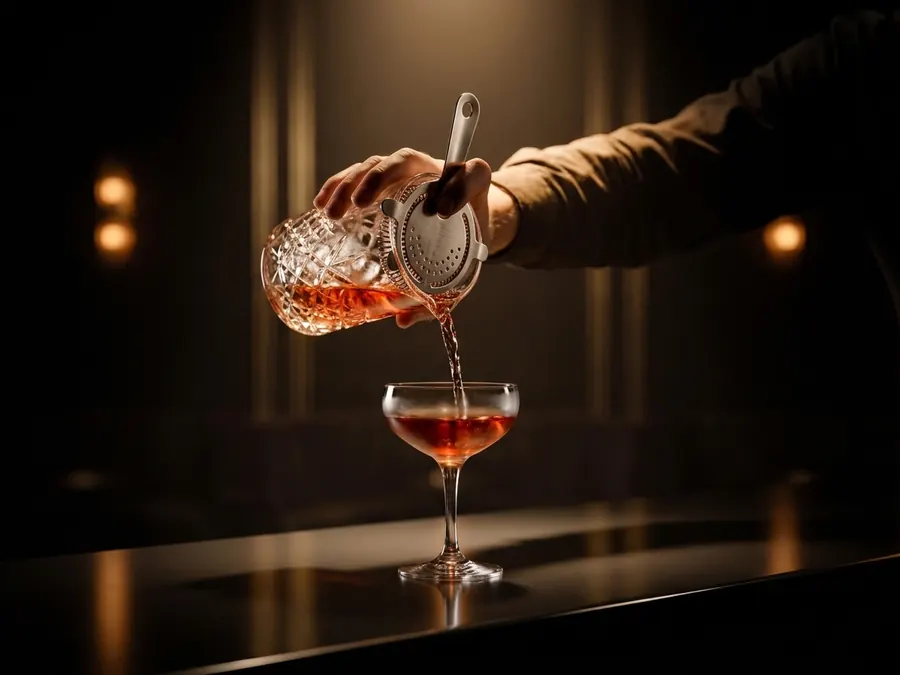
- Stir the cognac, vermouth, syrup and bitters with ice and strain.
- Add just a splash of cold soda after straining.
- Use a rich, good-quality sweet vermouth, since it is half the drink.
Variations
| Variation | What changes |
|---|---|
| Metropolitan | More cognac, no soda |
| Saratoga | Brandy and rye split base |
| Harvard Cooler | A long drink with applejack and lemon |
Harvard FAQ
What is in a Harvard cocktail?
Cognac, sweet vermouth, a little syrup, Angostura and a splash of soda water.
Why the soda?
It lightens the drink and was fashionable in the 1890s, when seltzer was a novelty.
Can I leave out the soda?
Yes, but then it is really a Brandy Manhattan.
What glass is a Harvard served in?
A coupe. The stem keeps your hand away from the cold drink, and the curved rim makes it far harder to spill than a V-shaped martini glass.
Is a Harvard shaken or stirred?
Stirred. It contains only spirits and modifiers, so stirring chills and dilutes it while keeping it clear and silky.
How strong is a Harvard?
About 16% ABV after dilution, or roughly 1.5 US standard drinks (21 g of alcohol) per serve.
How many calories are in a Harvard?
Roughly 178 kcal per drink, most of it from alcohol.
Can I make a Harvard without cognac?
Yes. Bourbon is the closest substitute, though the drink will taste different.


