
History of the Corpse Reviver No. 1
- Origin
- London
- First printed
- Savoy Cocktail Book, 1930
- Family
- Stirred, spirit-forward
Corpse revivers were 19th-century "hair of the dog" drinks. Harry Craddock printed two in the Savoy Cocktail Book in 1930. The No. 1 is a stirred mix of cognac, calvados and sweet vermouth, recommended before eleven in the morning or whenever energy was needed. The gin-based No. 2 later became more famous, but the No. 1 is a rich, warming brandy Manhattan.
Fun Facts
- Its younger sibling, the No. 2, is far more often ordered today.
- Calvados gives it an apple note.
- It's essentially a brandy Manhattan.
Variations
| Variation | What changes |
|---|---|
| Corpse Reviver No. 2 | Gin, Lillet, orange liqueur and lemon |
| Manhattan | Whiskey |
Corpse Reviver No. 1 FAQ
What is in a Corpse Reviver No. 1?
Cognac, calvados and sweet vermouth.
Is it a hangover cure?
That was its reputation; it won't cure anything.
What's the difference with No. 2?
No. 1 is brandy-based and stirred; No. 2 is a gin sour.
What glass is a Corpse Reviver No. 1 served in?
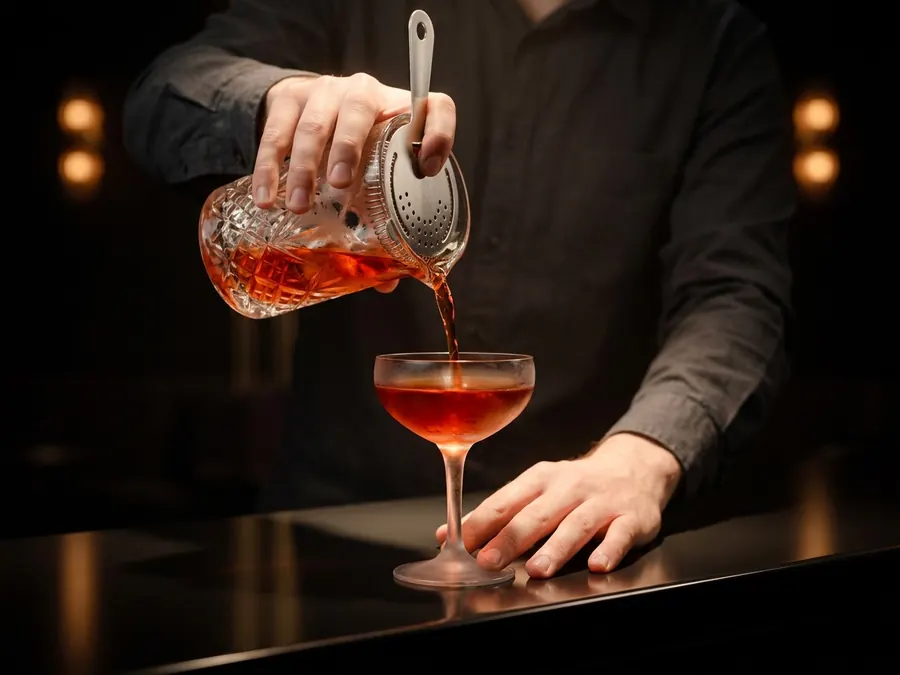
A coupe. The stem keeps your hand away from the cold drink, and the curved rim makes it far harder to spill than a V-shaped martini glass.
Is a Corpse Reviver No. 1 shaken or stirred?
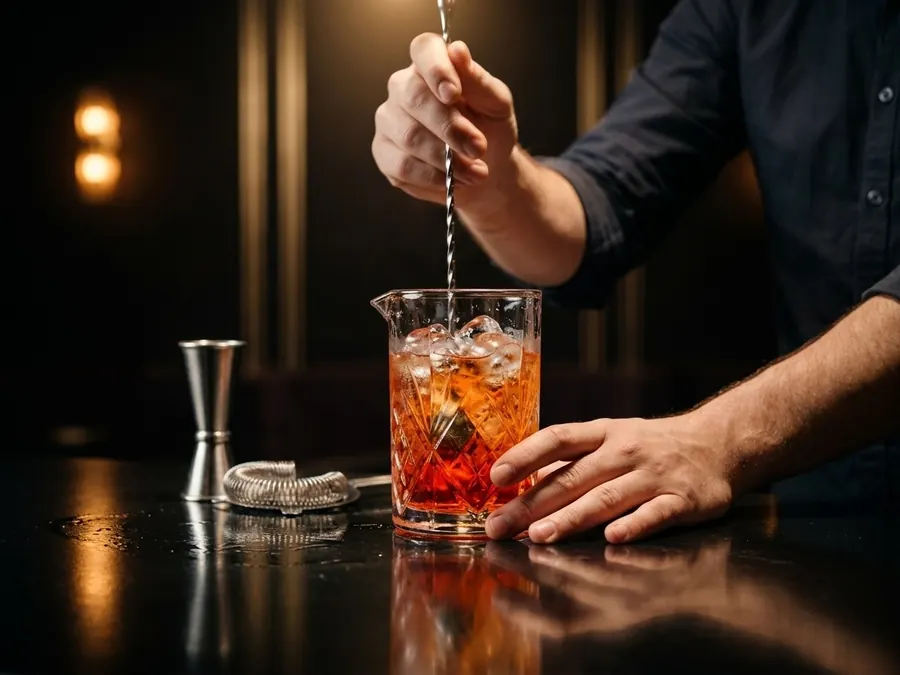
Stirred. It contains only spirits and modifiers, so stirring chills and dilutes it while keeping it clear and silky.
How strong is a Corpse Reviver No. 1?
About 24% ABV after dilution, or roughly 1.1 US standard drinks (16 g of alcohol) per serve.
How many calories are in a Corpse Reviver No. 1?
Roughly 122 kcal per drink, most of it from alcohol.
Can I make a Corpse Reviver No. 1 without cognac?
Yes. Bourbon is the closest substitute, though the drink will taste different.


