
History of the Hotel Nacional Special
- Origin
- Havana, Cuba
- Hotel opened
- 1930
- Credited to
- Wil P. Taylor
- Family
- Sour
The Hotel Nacional de Cuba opened in Havana in 1930 and quickly became the grandest hotel in the city, hosting film stars, politicians and celebrities. Its signature drink, credited to bar manager Wil P. Taylor, mixes rum with pineapple, lime and apricot liqueur.
The drink faded with the 1959 revolution and returned in the 2000s cocktail revival, when bartenders explored the golden era of Cuban drinks.
Fun Facts
- The hotel still stands on the Malecón seafront in Havana.
- Apricot liqueur gives a soft stone-fruit note that sets it apart from the Daiquiri.
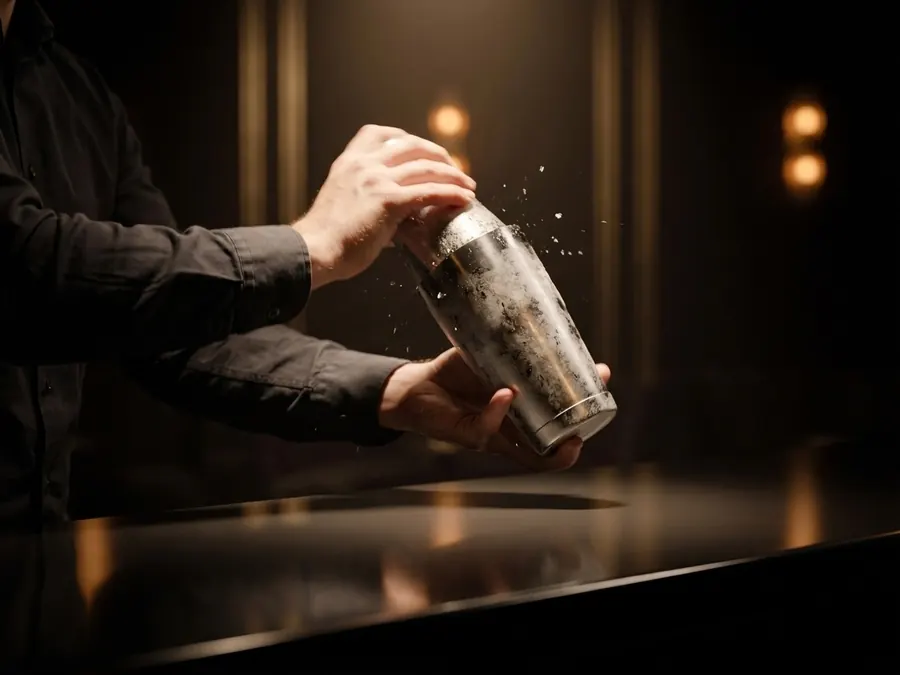
- Pineapple juice creates a light foam when shaken hard.
Variations
| Variation | What changes |
|---|---|
| Daiquiri | Rum, lime and sugar only |
| Mary Pickford | Pineapple, maraschino and grenadine |
| El Presidente | Stirred with vermouth and curaçao |
Hotel Nacional Special FAQ
What is in a Hotel Nacional Special?
White rum, pineapple juice, lime juice, apricot liqueur and a little sugar.
Where is it from?
The Hotel Nacional de Cuba in Havana.
What rum is best?
A light Cuban-style rum.
What glass is a Hotel Nacional Special served in?
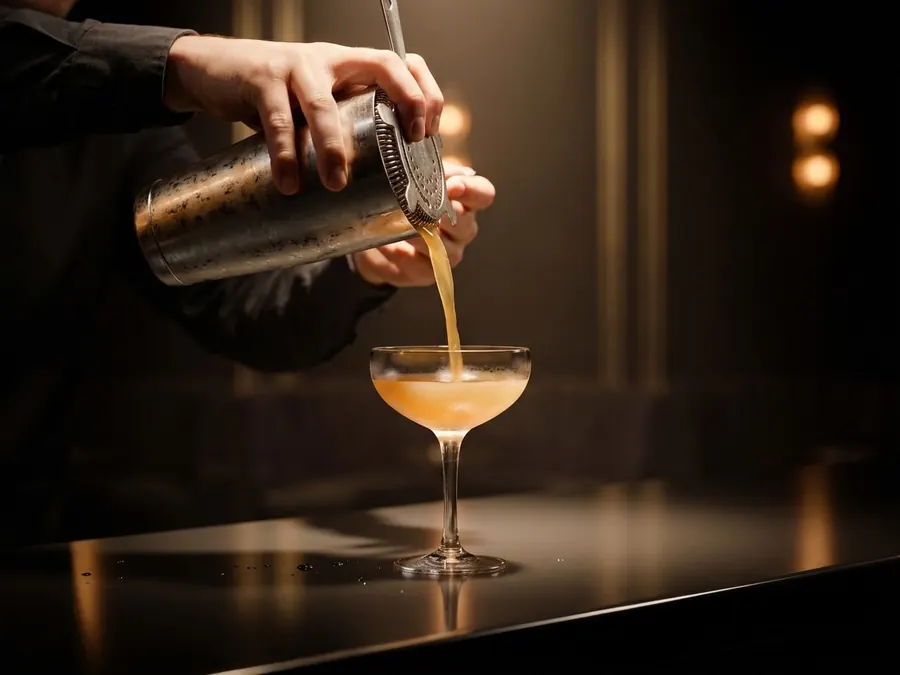
A coupe. The stem keeps your hand away from the cold drink, and the curved rim makes it far harder to spill than a V-shaped martini glass.
Is a Hotel Nacional Special shaken or stirred?
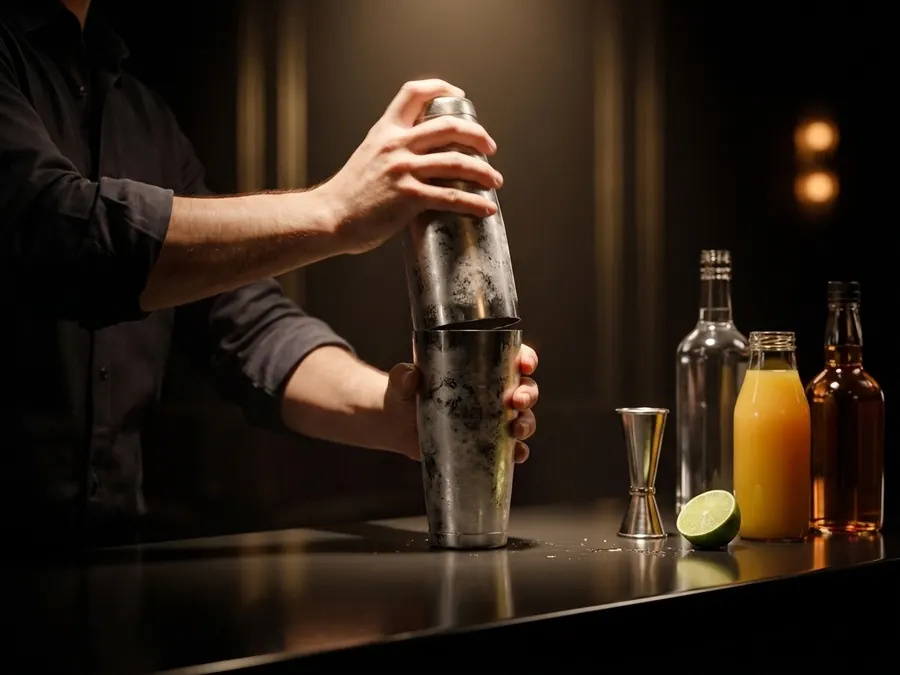
Shaken. It contains citrus, juice, cream or egg, which need the force and aeration of shaking.
How strong is a Hotel Nacional Special?
About 13% ABV after dilution, or roughly 1.2 US standard drinks (17 g of alcohol) per serve.
How many calories are in a Hotel Nacional Special?
Roughly 168 kcal per drink, most of it from alcohol.
Can I make a Hotel Nacional Special without white rum?
Yes. Aged Rum is the closest substitute, though the drink will taste different.


