
History of the Blood and Sand
- Origin
- United States or London
- Created
- 1920s
- Named after
- Rudolph Valentino's 1922 film Blood and Sand
- First printed
- Savoy Cocktail Book, 1930
- Family
- Shaken, equal parts
Blood and Sand was a 1922 silent film starring Rudolph Valentino as a bullfighter. The cocktail named after it, with the red of cherry liqueur and blood orange, appeared in the Savoy Cocktail Book in 1930. It's one of very few classic cocktails built on Scotch, and its equal-parts recipe surprises people with how well the ingredients balance.
Fun Facts
- Valentino was the biggest film star of the early 1920s.
- Blood orange juice makes it even more dramatic.
- It's often recommended for people who think they don't like Scotch.
Variations
| Variation | What changes |
|---|---|
| Modern Blood and Sand | More Scotch, less cherry |
| Rob Roy | Stirred, no juice |
Blood and Sand FAQ
What is in a Blood and Sand?
Scotch, cherry liqueur, sweet vermouth and orange juice in equal parts.
Why is it called Blood and Sand?
After the 1922 Valentino bullfighting film.
Is it shaken?
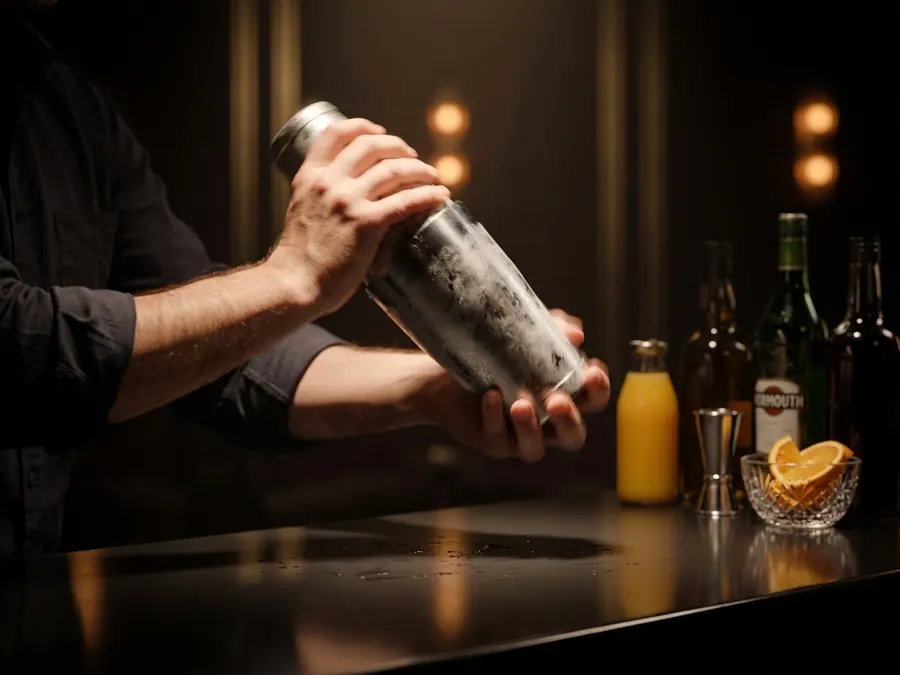
Yes, because of the orange juice.
What glass is a Blood and Sand served in?
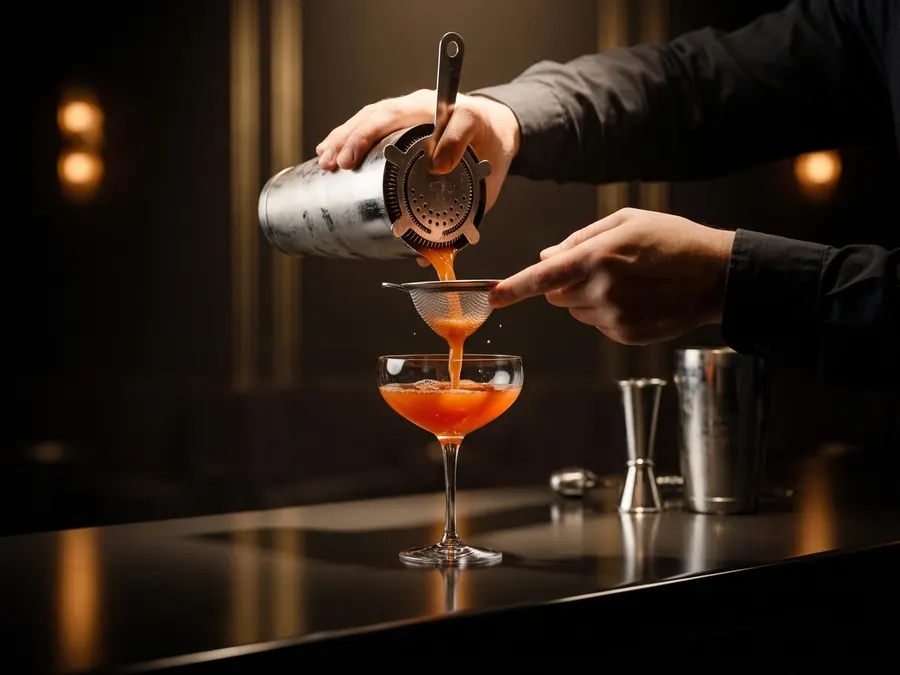
A coupe. The stem keeps your hand away from the cold drink, and the curved rim makes it far harder to spill than a V-shaped martini glass.
Is a Blood and Sand shaken or stirred?
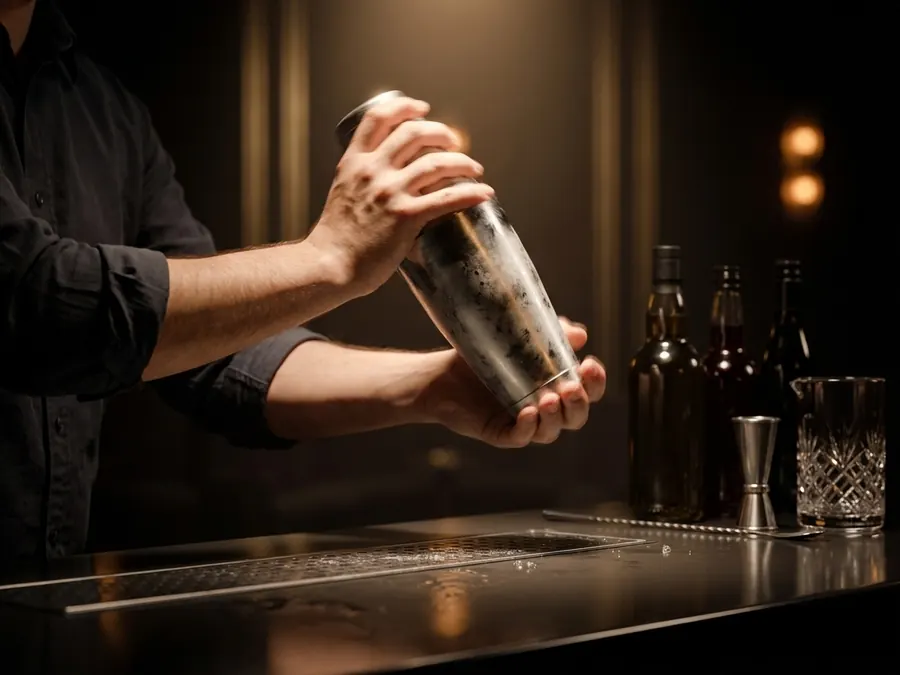
Shaken. It contains citrus, juice, cream or egg, which need the force and aeration of shaking.
How strong is a Blood and Sand?
About 13% ABV after dilution, or roughly 1 US standard drinks (14 g of alcohol) per serve.
How many calories are in a Blood and Sand?
Roughly 150 kcal per drink, most of it from alcohol.
Can I make a Blood and Sand without blended Scotch?
Yes. Irish Whiskey is the closest substitute, though the drink will taste different.


