
History of the Scofflaw
- Origin
- Harry's New York Bar, Paris
- Created
- 1924
- Created by
- Bartender Jock, at Harry's New York Bar
- Named after
- A word invented in a 1924 Boston contest
- Family
- Sour
In 1924 a Prohibition supporter offered $200 for a new word to describe people who drank illegally. Out of 25,000 entries, "scofflaw" won, combining "scoff" and "law". Within weeks, the bar at Harry's New York Bar in Paris, full of Americans escaping Prohibition, created the Scofflaw cocktail: rye, dry vermouth, lemon and grenadine.
Fun Facts
- The word "scofflaw" is still used today for people who ignore minor laws.
- Two people independently submitted the winning word.
- Americans in Paris could drink legally while Prohibition continued at home.
Variations
| Variation | What changes |
|---|---|
| Ward Eight | Orange juice, no vermouth |
| Whiskey Sour | No vermouth or grenadine |
Scofflaw FAQ
What is in a Scofflaw?
Rye, dry vermouth, lemon juice, grenadine and orange bitters.
What does scofflaw mean?
Someone who flouts the law, a word invented in 1924 for Prohibition drinkers.
Where was it created?
At Harry's New York Bar in Paris.
What glass is a Scofflaw served in?
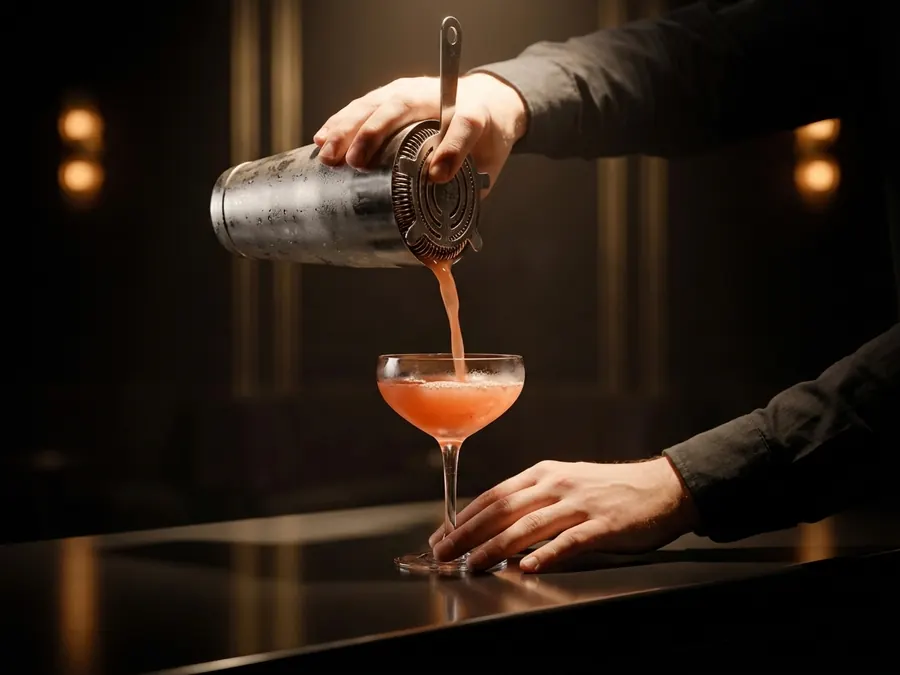
A coupe. The stem keeps your hand away from the cold drink, and the curved rim makes it far harder to spill than a V-shaped martini glass.
Is a Scofflaw shaken or stirred?
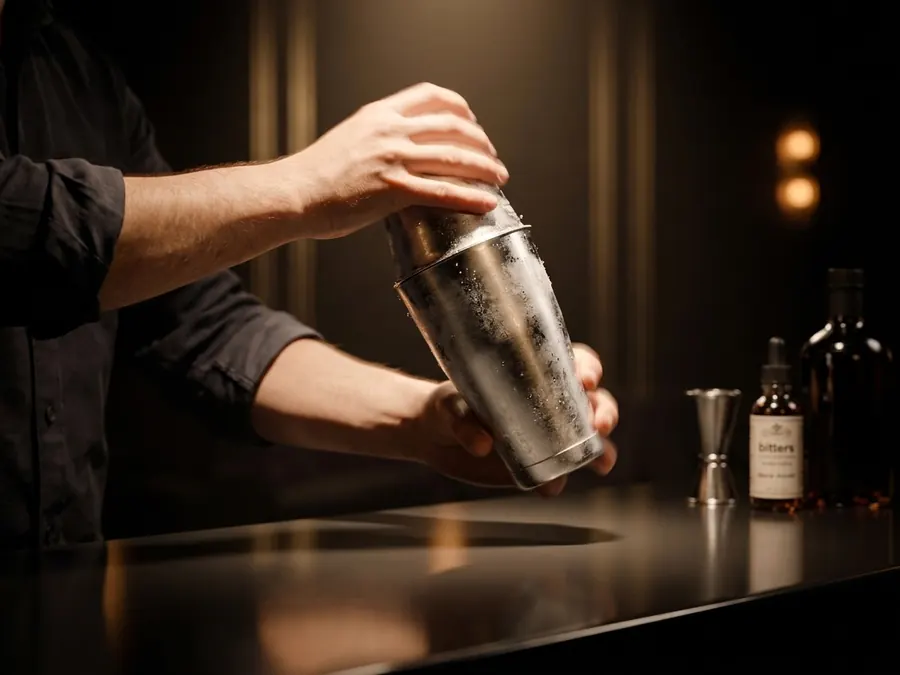
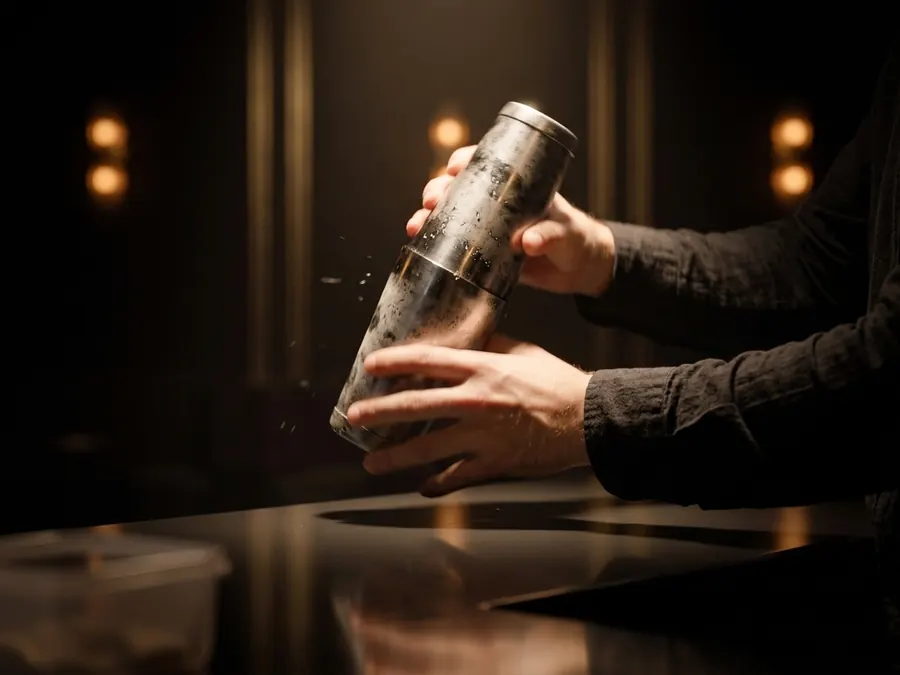
Shaken. It contains citrus, juice, cream or egg, which need the force and aeration of shaking.
How strong is a Scofflaw?
About 15% ABV after dilution, or roughly 1.5 US standard drinks (20 g of alcohol) per serve.
How many calories are in a Scofflaw?
Roughly 193 kcal per drink, most of it from alcohol.
Can I make a Scofflaw without rye whiskey?
Yes. Bourbon is the closest substitute, though the drink will taste different.


