
History of the Brooklyn
- Origin
- New York City
- First printed
- 1908, in Jack's Manual by Jacob Grohusko
- Family
- Stirred, spirit-forward
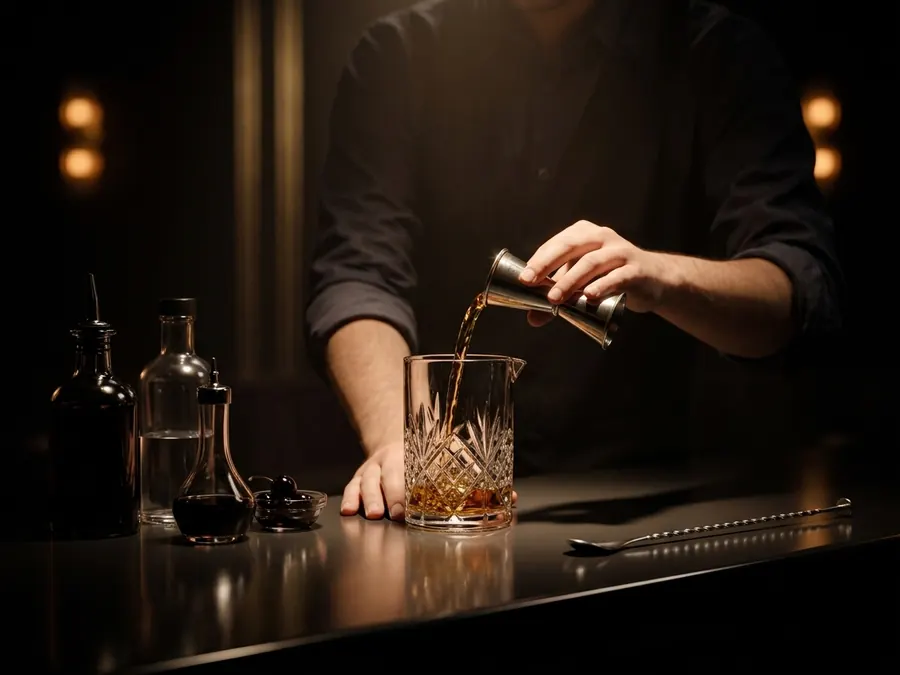
The Brooklyn is the Manhattan's less famous sibling, made with rye, dry vermouth, maraschino and Amer Picon, a bitter orange aperitif from France. Amer Picon became hard to find in the US, which pushed the drink into obscurity. Modern bartenders substitute an amaro such as Averna or a bitter orange liqueur.
In the 2000s, the Brooklyn inspired a whole set of new drinks named after the borough's neighbourhoods, from the Red Hook to the Greenpoint.
Fun Facts
- Amer Picon is still sold in France, but at lower strength than the original.
- It's one of the drinks behind the modern "neighbourhood" cocktail trend.
- It's drier than a Manhattan.
Variations
Brooklyn FAQ
What is in a Brooklyn cocktail?
Rye, dry vermouth, maraschino and Amer Picon or another bitter amaro.
What can I use instead of Amer Picon?
Averna, Bigallet China-China or Amaro CioCiaro.
Is it like a Manhattan?
Yes, a drier, more bitter cousin.
What glass is a Brooklyn served in?
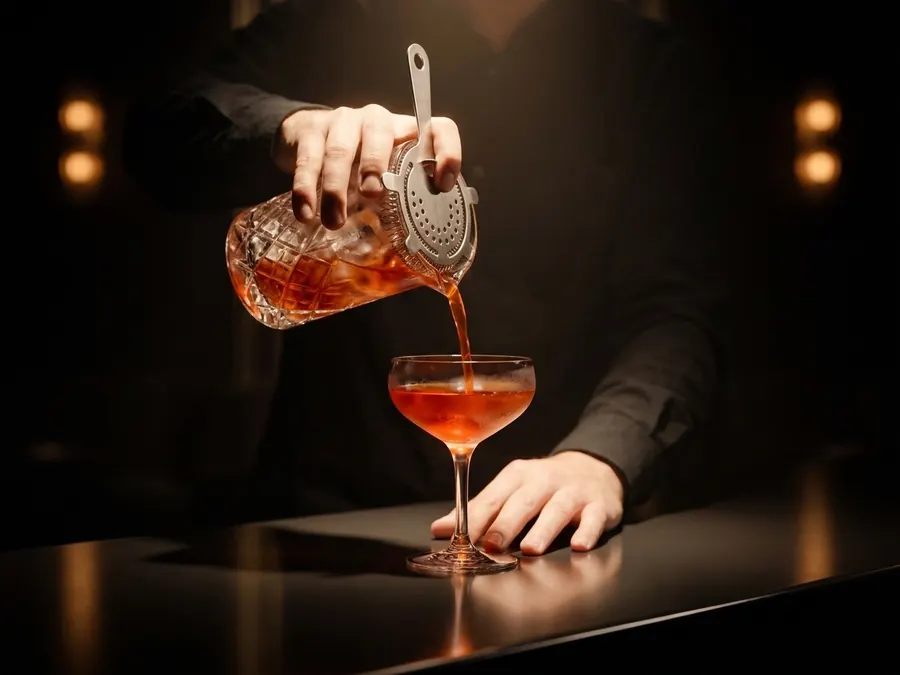
A coupe. The stem keeps your hand away from the cold drink, and the curved rim makes it far harder to spill than a V-shaped martini glass.
Is a Brooklyn shaken or stirred?
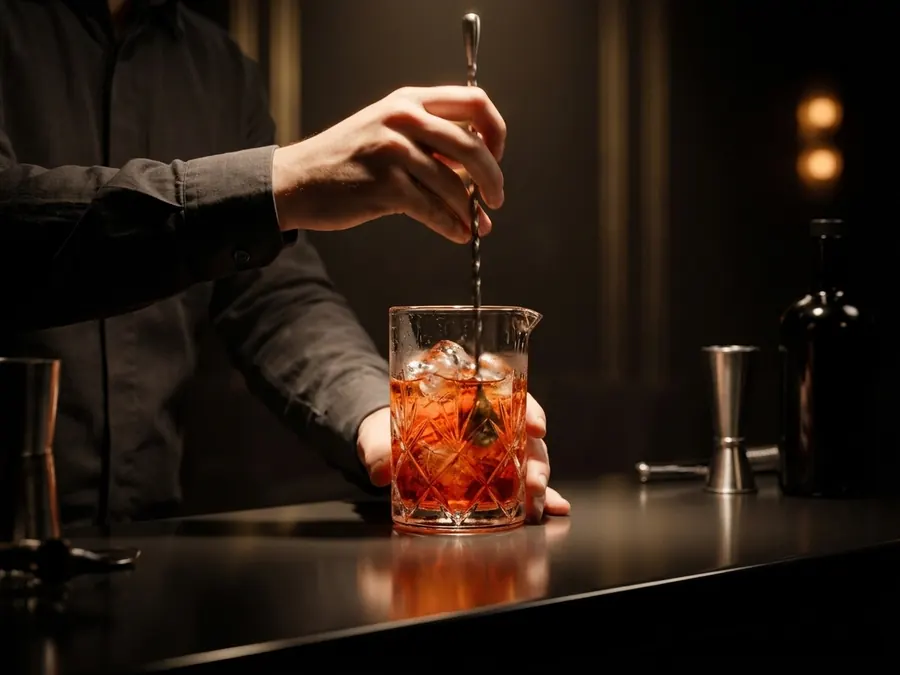
Stirred. It contains only spirits and modifiers, so stirring chills and dilutes it while keeping it clear and silky.
How strong is a Brooklyn?
About 25% ABV after dilution, or roughly 2 US standard drinks (28 g of alcohol) per serve.
How many calories are in a Brooklyn?
Roughly 216 kcal per drink, most of it from alcohol.
Can I make a Brooklyn without rye whiskey?
Yes. Bourbon is the closest substitute, though the drink will taste different.


