
History of the Angelo Azzurro
- Origin
- Italy
- Created
- 1980s
- Family
- Sour, disco drink
- Colour
- Electric blue
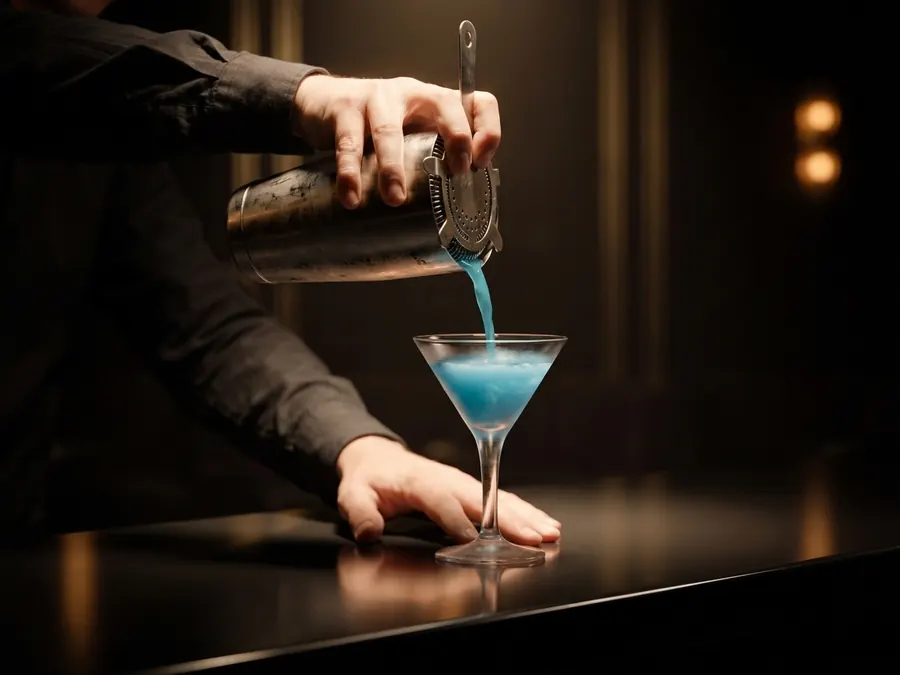
The Angelo Azzurro, the "blue angel", was the drink of Italian nightclubs in the 1980s and 1990s, from the discos of the Romagna Riviera to Milan. It is essentially a blue White Lady: gin with triple sec and blue curaçao, shaken and served in a cocktail glass.
It was strong, bright and easy to order, which made it an icon of Italian nightlife. It still appears on menus across Italy as a nostalgic classic.
How to Get It Right
- Add a little fresh lemon juice to balance the two orange liqueurs.
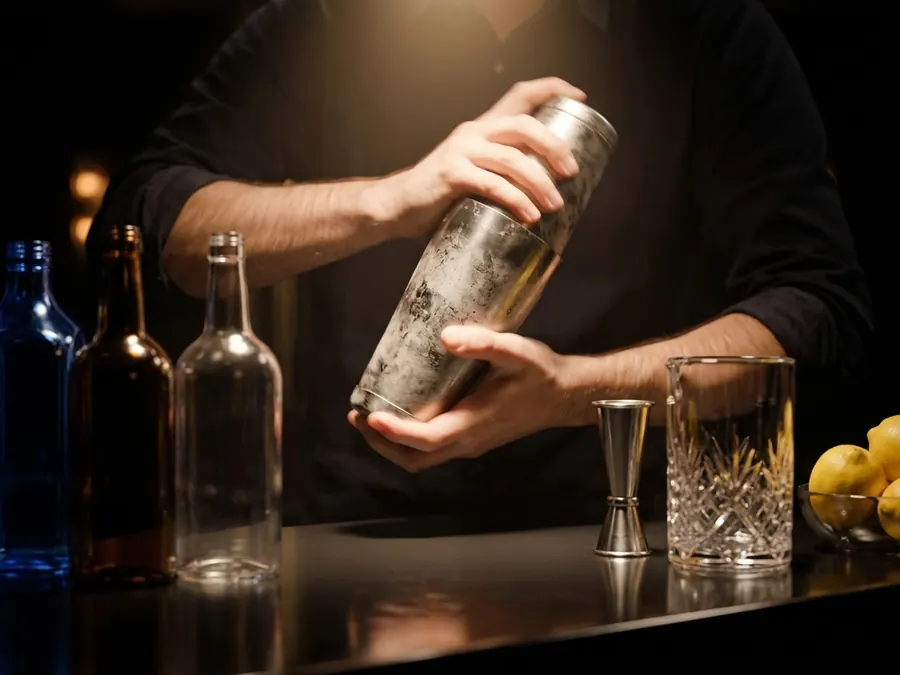
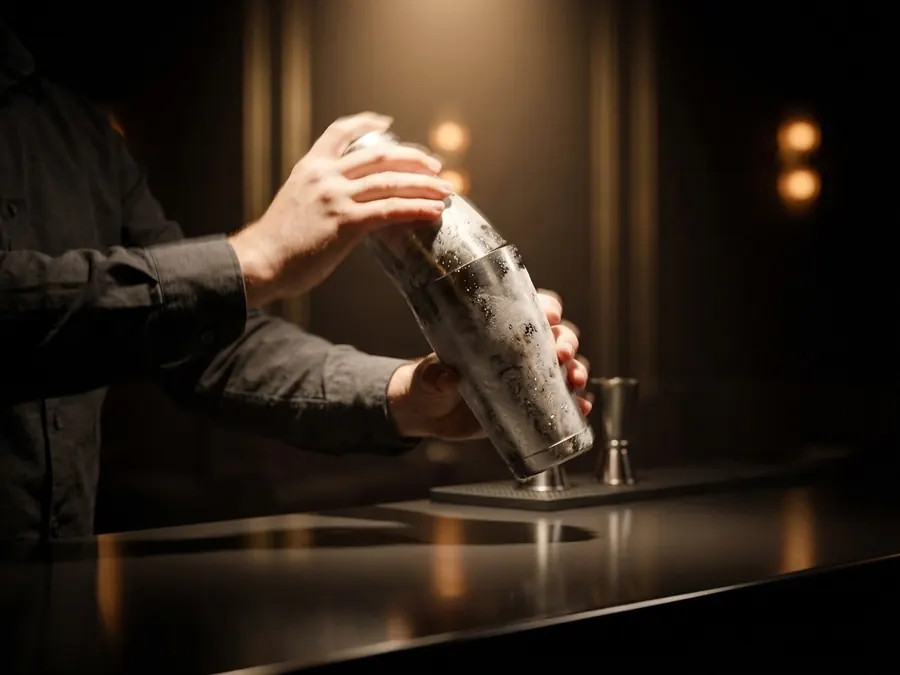
- Shake hard and serve in a chilled cocktail glass.
- Keep the blue curaçao small so the drink is not too sweet.
Fun Facts
- Blue curaçao gets its colour from food colouring, not from the oranges.
- The Romagna Riviera, around Rimini and Riccione, was the heart of Italian disco culture.
- The drink is sometimes made with vodka instead of gin.
Variations
| Variation | What changes |
|---|---|
| White Lady | No blue curaçao, more lemon |
| Blue Lagoon | Vodka, blue curaçao and lemonade |
| Electric Lemonade | Vodka, blue curaçao, lemon and soda |
Angelo Azzurro FAQ
What does Angelo Azzurro mean?
Blue angel, in Italian.
What is in an Angelo Azzurro?
Gin, triple sec and blue curaçao, often with a little lemon.
Is it a strong drink?
Yes; it is mostly spirit and liqueur.
What glass is an Angelo Azzurro served in?
A martini glass. The open cone spreads the aroma wide.
Is an Angelo Azzurro shaken or stirred?
Shaken. It contains citrus, juice, cream or egg, which need the force and aeration of shaking.
How strong is an Angelo Azzurro?
About 21% ABV after dilution, or roughly 1.6 US standard drinks (22 g of alcohol) per serve.
How many calories are in an Angelo Azzurro?
Roughly 189 kcal per drink, most of it from alcohol.
Can I make an Angelo Azzurro without London dry gin?
Yes. Vodka is the closest substitute, though the drink will taste different.


