
History of the Whiskey Daisy
- Origin
- United States
- Dates from
- 1870s
- Family
- Daisy
- Base
- Bourbon
The Daisy family dates to the 1870s. By the early 1900s bartenders were sweetening their daisies with liqueurs such as orange curaçao or yellow Chartreuse instead of plain syrup.
The Chartreuse version turns a simple Whiskey Sour into something more complex, with honey, saffron and herbal notes.
How to Get It Right
- Use a bourbon of at least 45% ABV so it is not lost under the Chartreuse.
- Serve over crushed ice with just a splash of soda.
- Garnish with a lemon wheel.
Variations
| Variation | What changes |
|---|---|
| Gin Daisy | Gin and grenadine |
| Whiskey Sour | Sugar instead of liqueur, no soda |
| Curaçao Daisy | Orange curaçao instead of Chartreuse |
Whiskey Daisy FAQ
What is in a Whiskey Daisy?
Bourbon, lemon juice, yellow Chartreuse or orange curaçao, and a splash of soda.
Is it like a Whiskey Sour?
Yes, a whiskey sour sweetened with a liqueur.
Can I use rye?
Yes. Rye makes it spicier.
What glass is a Whiskey Daisy served in?
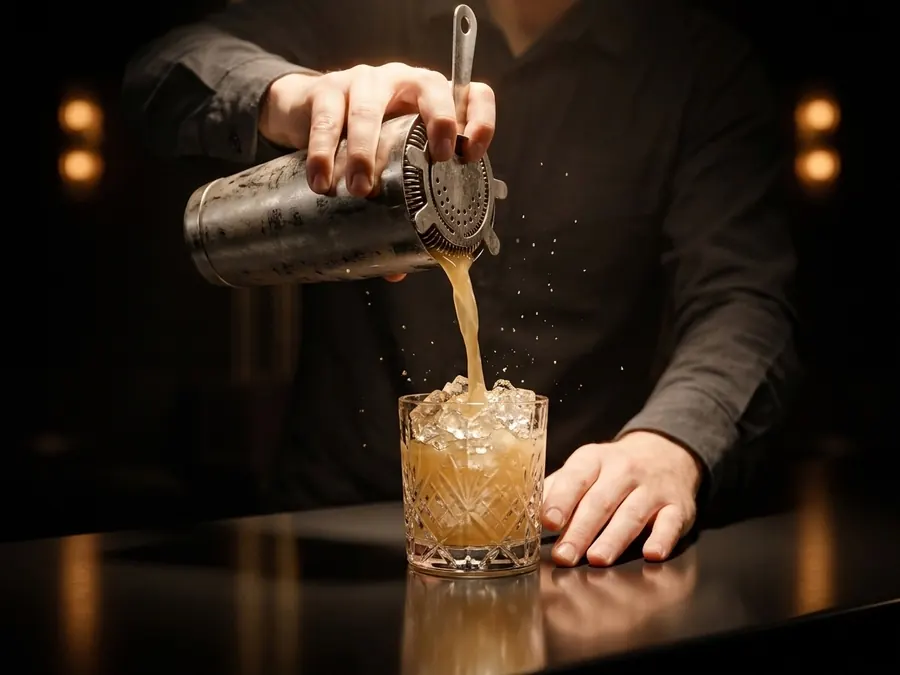
A rocks glass. The wide glass holds plenty of ice and lets the aroma open up.
Is a Whiskey Daisy shaken or stirred?
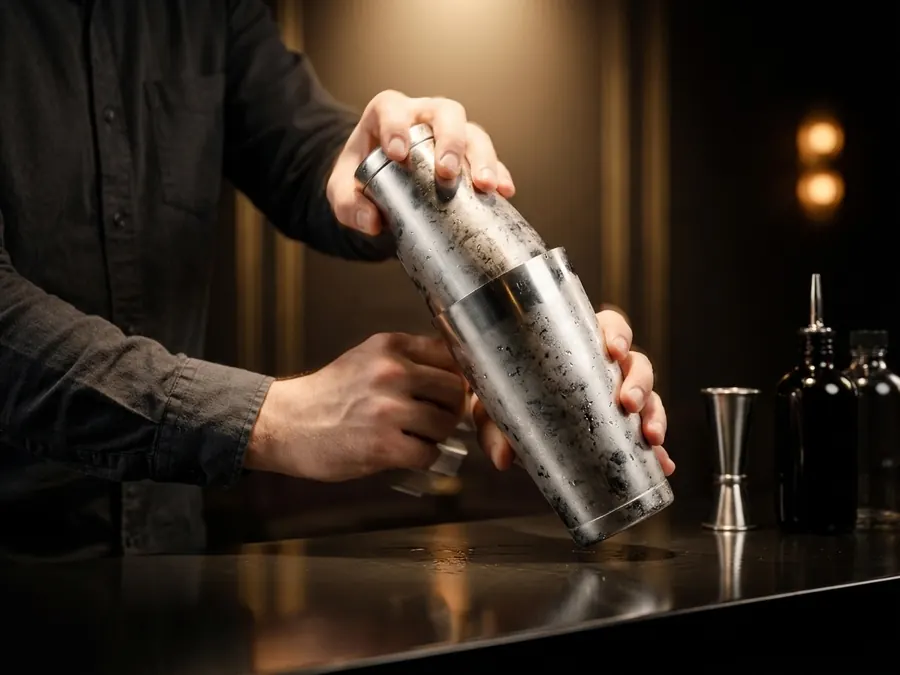
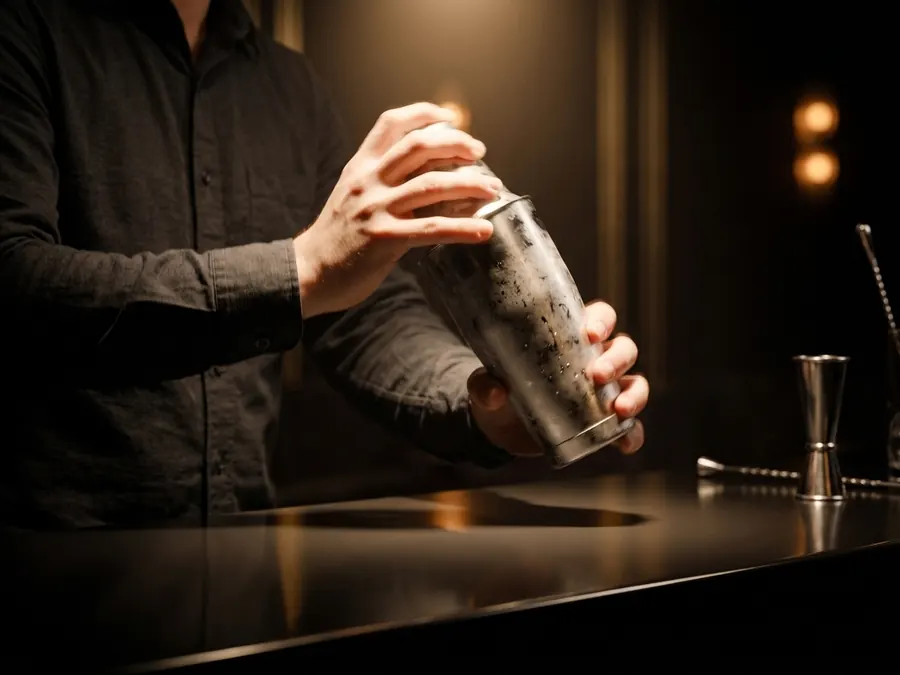
Shaken. It contains citrus, which needs the force and aeration of shaking.
How strong is a Whiskey Daisy?
About 19% ABV after dilution, or roughly 1.9 US standard drinks (26 g of alcohol) per serve.
How many calories are in a Whiskey Daisy?
Roughly 217 kcal per drink, most of it from alcohol.
Can I make a Whiskey Daisy without bourbon?
Yes. Rye Whiskey is the closest substitute, though the drink will taste different.


