
History of the Stone Fence
- Origin
- New England, United States
- Created
- 18th century
- Family
- Highball
- Base
- Spirit and hard cider
The Stone Fence is one of America's oldest mixed drinks: a spirit mixed with hard cider. Legend says Ethan Allen and his Green Mountain Boys drank it before capturing Fort Ticonderoga in 1775. Rum or applejack was the usual spirit then; by the time Jerry Thomas printed it in 1862, the recipe was whiskey and cider.
The name probably comes from the stone walls that cross New England farmland: hit one after a few of these, as the joke goes, and you know about it.
How to Get It Right
- Choose a dry, cloudy farmhouse cider.
- Apple brandy doubles the apple; rye adds spice.
- A dash of Angostura gives it backbone.
Fun Facts
- Hard cider was the most common drink in colonial New England, often safer than water.
- Applejack was made by freezing cider and removing the ice, a method called jacking.
- Laird's, America's oldest licensed distillery, has made apple brandy since 1780.
Variations
| Variation | What changes |
|---|---|
| Jack Rose | Apple brandy, lemon and grenadine |
| Whiskey Highball | Soda instead of cider |
| Shandy | Beer and lemonade |
Stone Fence FAQ
What is a Stone Fence?
A spirit, usually apple brandy, rum or rye, mixed with hard cider.
Why is it called a Stone Fence?
Probably after New England's stone walls, and the knock it gives.
What cider should I use?
A dry or brut cider; sweet cider makes the drink heavy.
What glass is a Stone Fence served in?
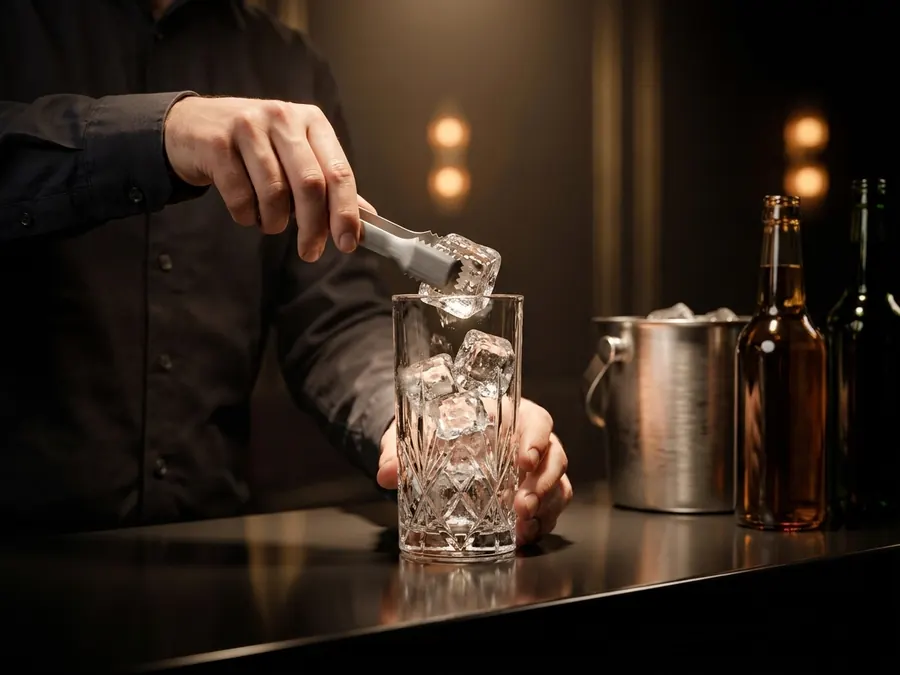
A highball glass. A narrow column of liquid loses bubbles slowly, and a full load of ice keeps the drink cold without watering it down fast.
Is a Stone Fence shaken or stirred?
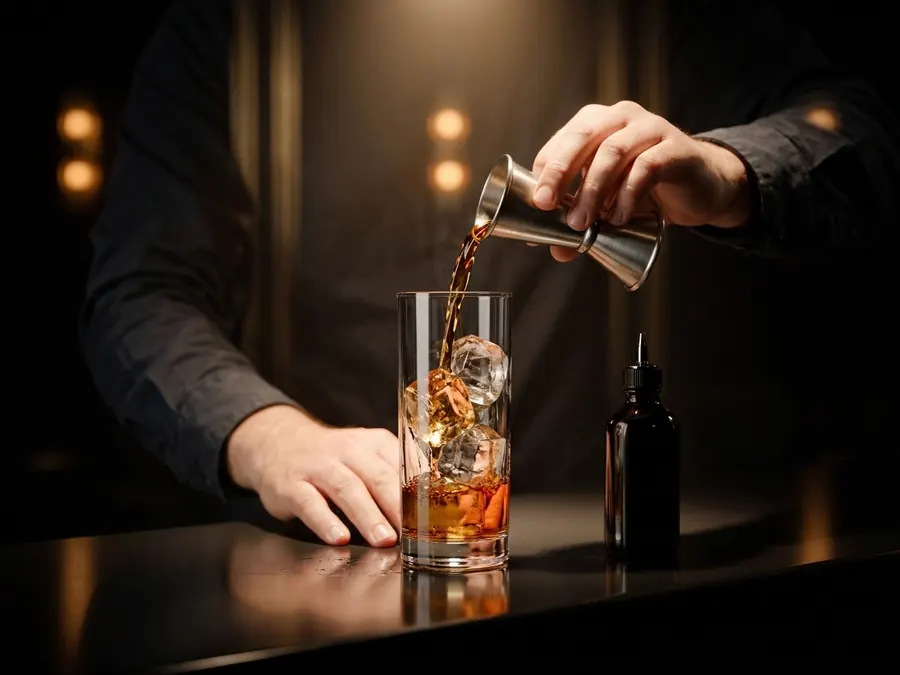
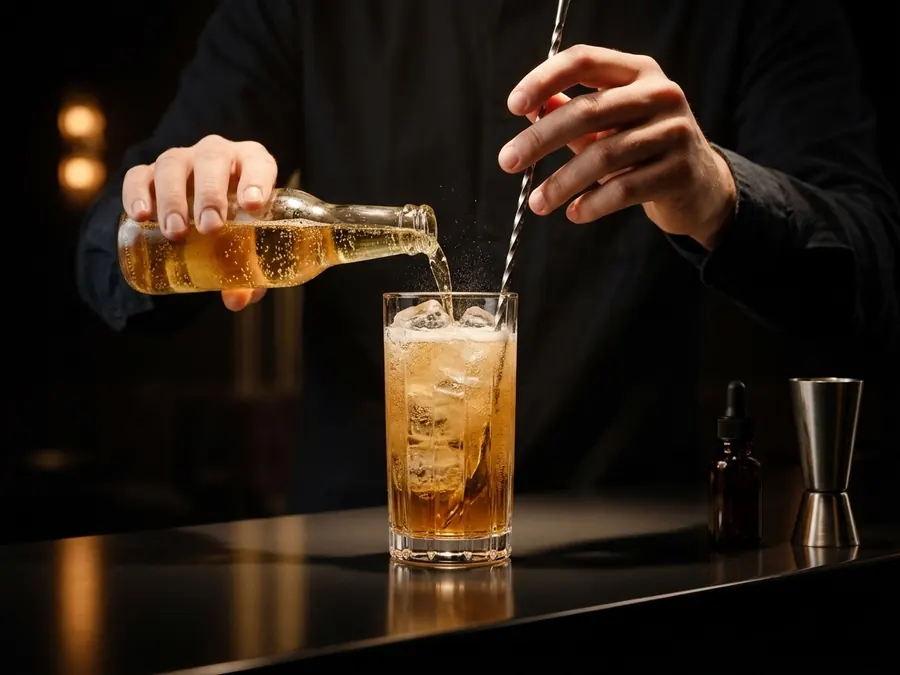
Neither. It is built directly in the glass and given a gentle stir.
How strong is a Stone Fence?
About 14% ABV after dilution, or roughly 1.6 US standard drinks (23 g of alcohol) per serve.
How many calories are in a Stone Fence?
Roughly 212 kcal per drink, most of it from alcohol.
Can I make a Stone Fence without apple brandy?
Yes. Cognac is the closest substitute, though the drink will taste different.


