
History of the French 76
- Family
- Champagne cocktail
- Based on
- French 75
- Base spirit
- Vodka
- Served
- In a flute
The French 75 was named after a French field gun of the First World War and was made with gin or cognac. Once vodka became popular, bartenders swapped it in and gave the drink a name that simply counts one up: the French 76.
With a neutral spirit, the Champagne and lemon move to the front. The French 76 is lighter and crisper than the gin original, and a good choice for anyone who does not like botanicals.
How to Get It Right
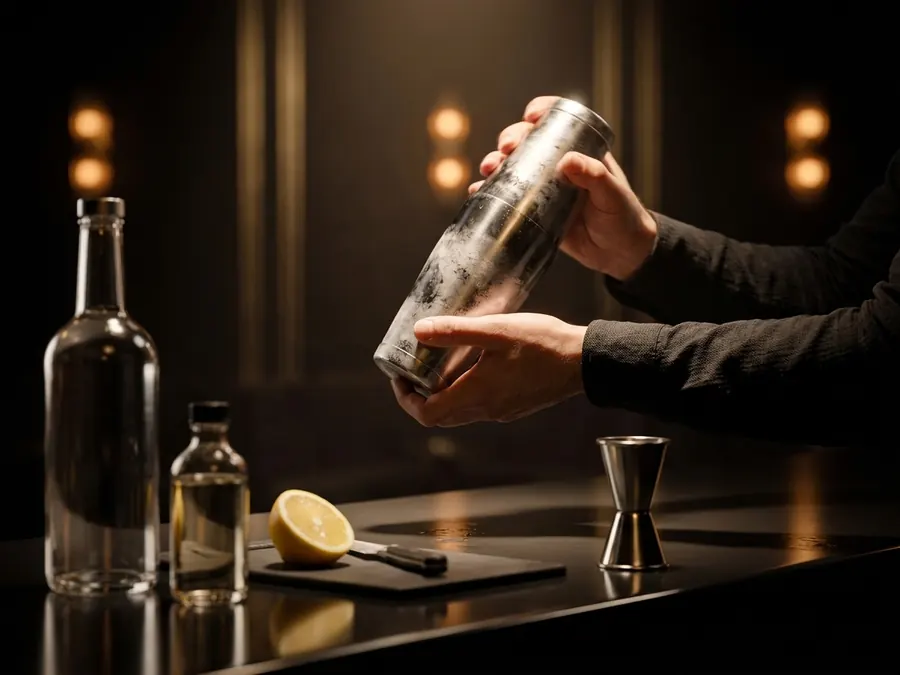
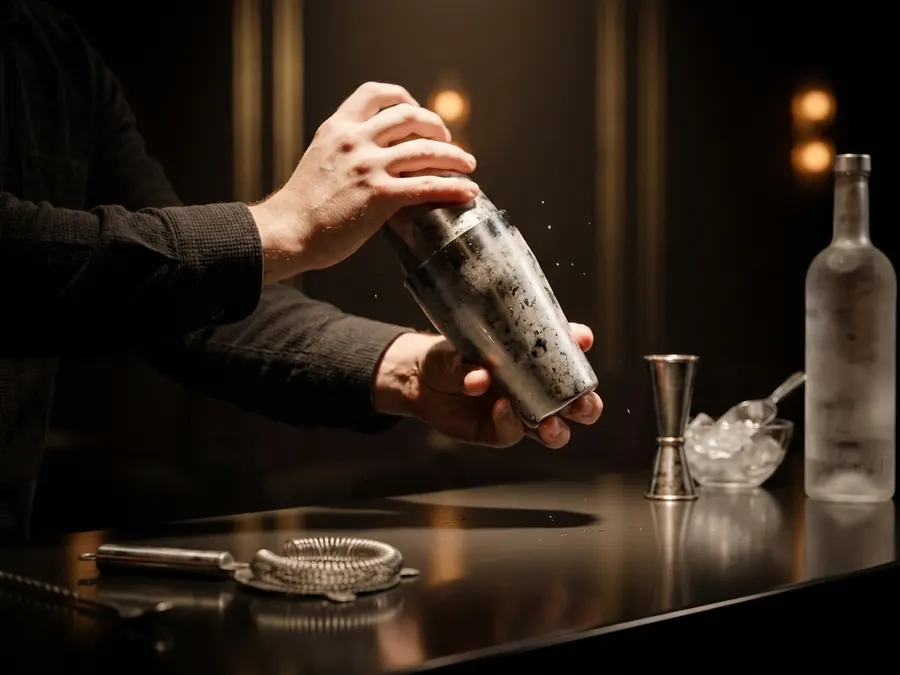
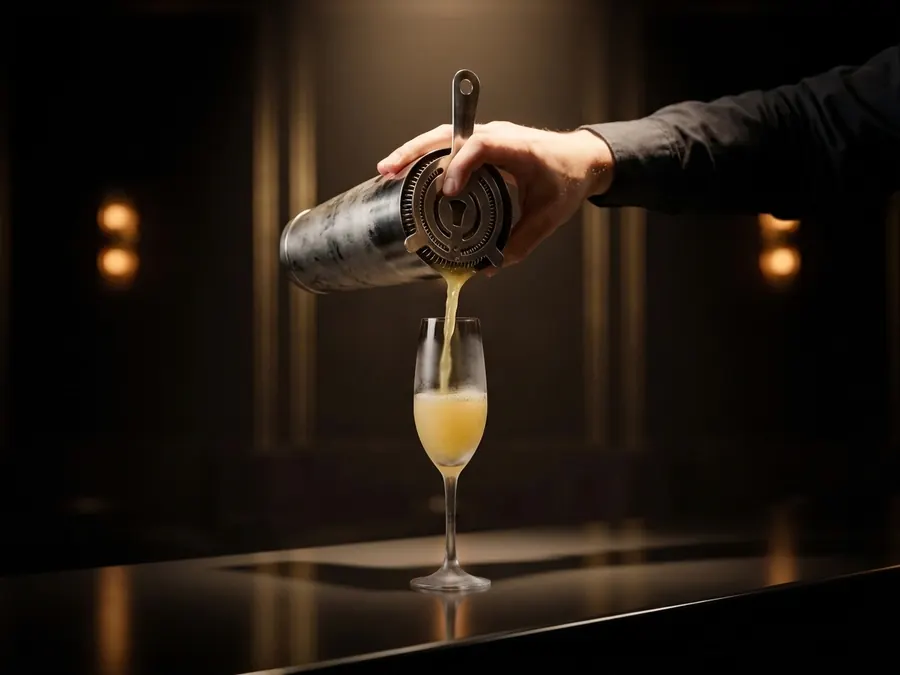
- Shake the vodka, lemon and syrup briefly and strain into a chilled flute.
- Top slowly with very cold Champagne or another dry sparkling wine.
- Garnish with a long lemon twist for aroma.
Variations
| Variation | What changes |
|---|---|
| French 75 | Gin |
| French 77 | Elderflower liqueur |
| Kir Royale | Crème de cassis and Champagne |
French 76 FAQ
What is the difference between a French 75 and French 76?
The French 76 uses vodka instead of gin.
Can I use prosecco?
Yes. Use a brut prosecco so the drink does not get too sweet.
Should it be shaken?
Shake the base, then top with the wine. Never shake the bubbles.
What glass is a French 76 served in?
A champagne flute. A narrow surface keeps bubbles in the wine longer, and the column shows off the stream of fine bubbles.
Is a French 76 shaken or stirred?
Shaken. It contains citrus, juice, cream or egg, which need the force and aeration of shaking.
How strong is a French 76?
About 12% ABV after dilution, or roughly 1.1 US standard drinks (15 g of alcohol) per serve.
How many calories are in a French 76?
Roughly 150 kcal per drink, most of it from alcohol.
Can I make a French 76 without vodka?
Yes. London Dry Gin is the closest substitute, though the drink will taste different.


