
History of the Fitzgerald
- Origin
- Rainbow Room, New York City
- Created
- 1990s
- Created by
- Dale DeGroff
- Named after
- F. Scott Fitzgerald
- Family
- Sour on the rocks
Dale DeGroff, who helped launch the modern cocktail revival at the Rainbow Room, created the Fitzgerald by adding Angostura bitters to a simple gin sour and serving it over ice. He named it after F. Scott Fitzgerald, the Jazz Age novelist. The bitters make a big difference: they add spice and depth, and turn an ordinary sour into something memorable.
Fun Facts
- DeGroff's book The Craft of the Cocktail (2002) helped train a generation of bartenders.
- Fitzgerald's The Great Gatsby is set during Prohibition.
- It's served on the rocks rather than up.
Variations
| Variation | What changes |
|---|---|
| Gin Sour | No bitters, often with egg white |
| Fitzgerald with egg white | Silkier texture |
Fitzgerald FAQ
What is in a Fitzgerald?
Gin, lemon juice, simple syrup and Angostura bitters.
Who created the Fitzgerald?
Dale DeGroff, at the Rainbow Room in New York.
Is it served with ice?
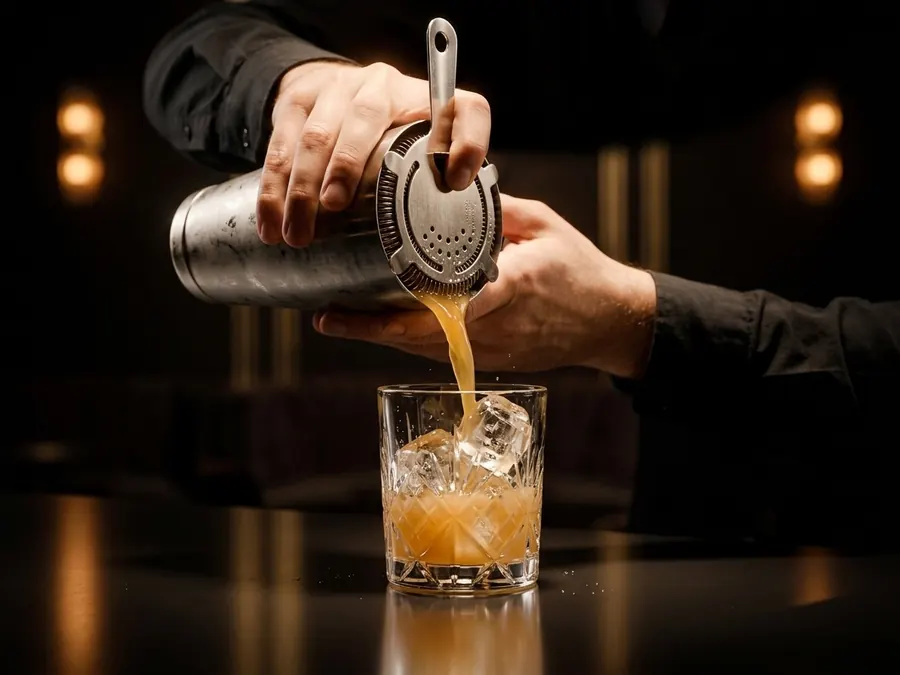
Yes, over ice in a rocks glass.
What glass is a Fitzgerald served in?
A rocks glass. The wide mouth puts the aroma of a citrus twist right under your nose, and the heavy base survives muddling and stirring in the glass.
Is a Fitzgerald shaken or stirred?
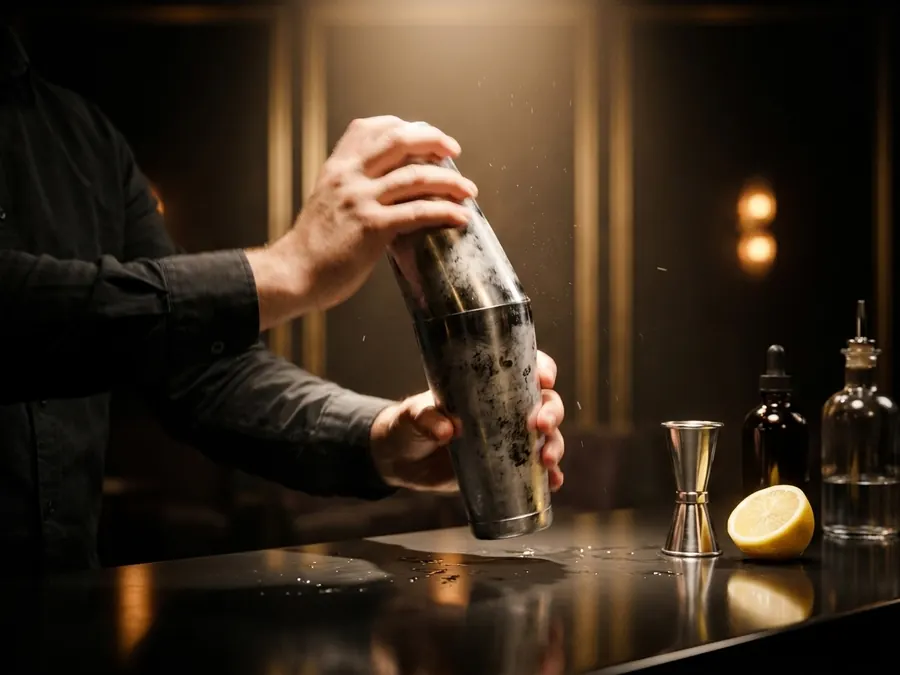
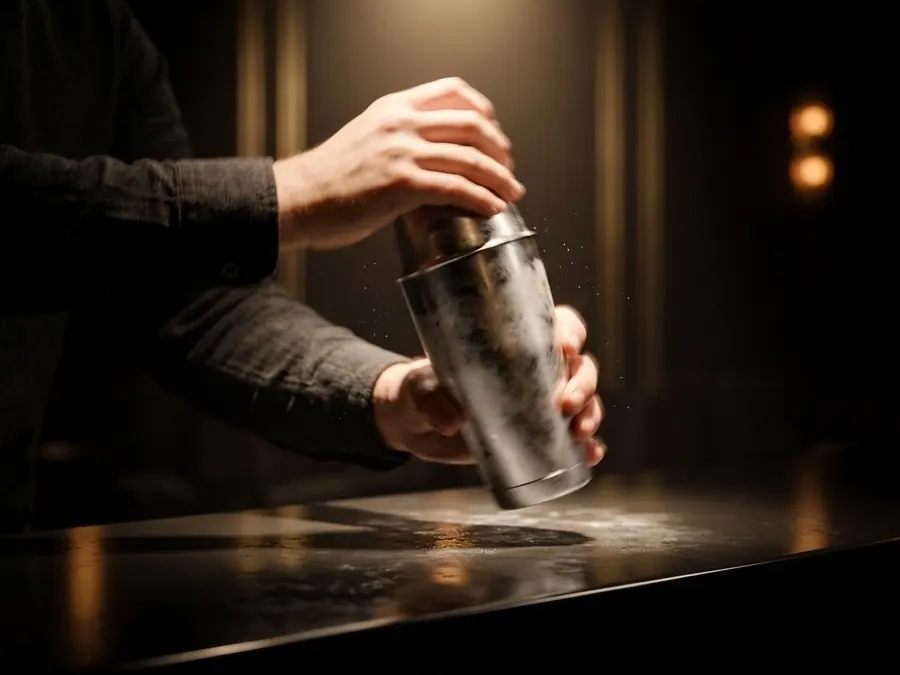
Shaken. It contains citrus, juice, cream or egg, which need the force and aeration of shaking.
How strong is a Fitzgerald?
About 14% ABV after dilution, or roughly 1.1 US standard drinks (15 g of alcohol) per serve.
How many calories are in a Fitzgerald?
Roughly 163 kcal per drink, most of it from alcohol and sugar.
Can I make a Fitzgerald without London dry gin?
Yes. Vodka is the closest substitute, though the drink will taste different.


