
History of the Canchánchara
- Origin
- Cuba
- Created
- 1860s, according to tradition
- Linked to
- The mambises, Cuban independence fighters
- Family
- Sour
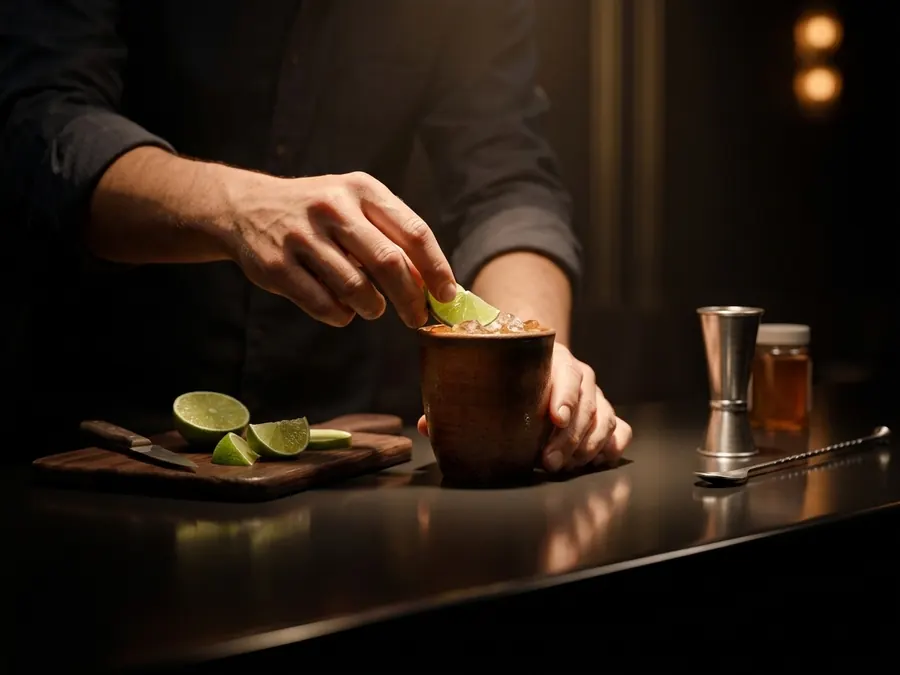
The Canchánchara is said to have been drunk by the mambises, Cuban independence fighters, during the Ten Years' War that began in 1868. They mixed aguardiente, an early form of rum, with honey, lime and water, served warm or at room temperature. Today it's the signature drink of the colonial town of Trinidad, served in small clay cups at La Canchánchara bar.
Fun Facts
- It's often called the oldest Cuban cocktail.
- In Trinidad it's served in clay cups.
- Honey replaced scarce sugar in wartime.
Variations
| Variation | What changes |
|---|---|
| Daiquiri | Sugar, shaken, served up |
| Iced Canchánchara | Over ice |
Canchánchara FAQ
What is in a Canchánchara?
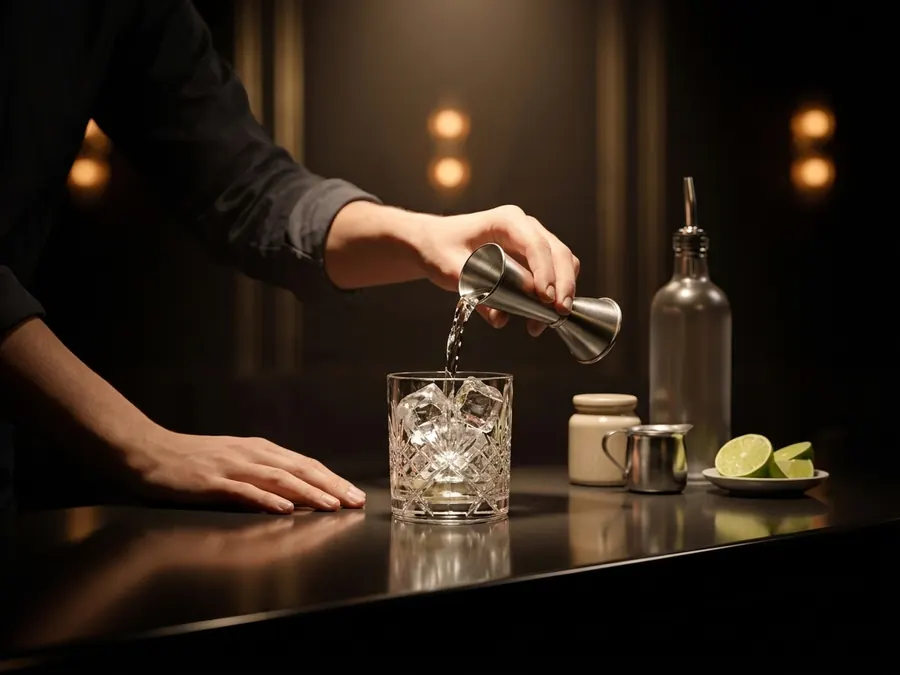
Rum, honey, lime juice and a little water.
Where does it come from?
Cuba, linked to the 19th-century independence fighters.
Is it served hot?
Traditionally at room temperature; today often over ice.
What glass is a Canchánchara served in?
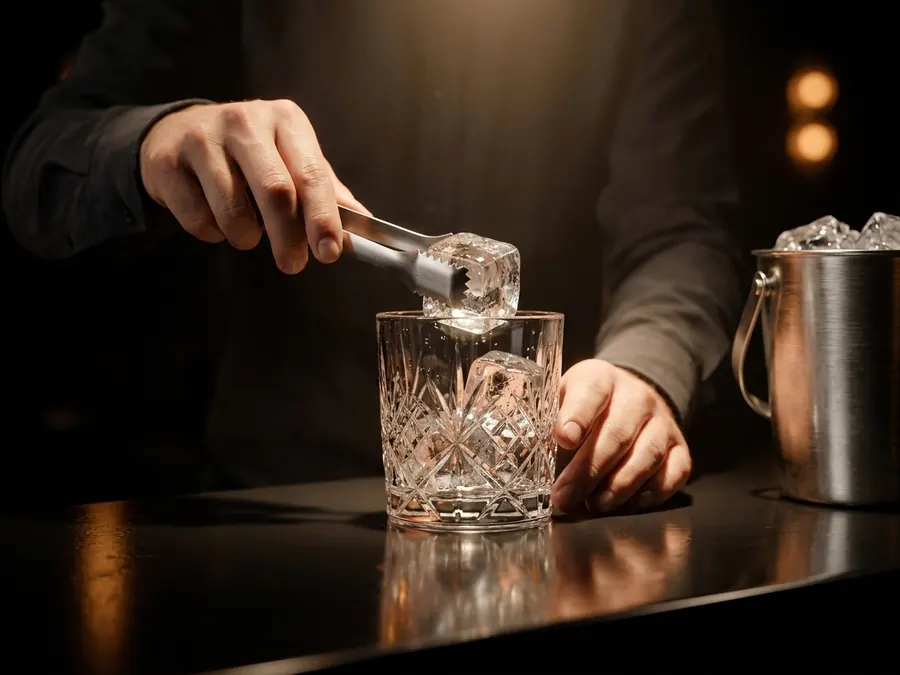
A rocks glass. The wide mouth puts the aroma of a citrus twist right under your nose, and the heavy base survives muddling and stirring in the glass.
Is a Canchánchara shaken or stirred?
Neither. It is built directly in the glass and given a gentle stir.
How strong is a Canchánchara?
About 19% ABV after dilution, or roughly 1.4 US standard drinks (19 g of alcohol) per serve.
How many calories are in a Canchánchara?
Roughly 175 kcal per drink, most of it from alcohol.
Can I make a Canchánchara without white rum?
Yes. Aged Rum is the closest substitute, though the drink will taste different.


