
History of the Macunaíma
- Origin
- São Paulo, Brazil
- Dates from
- 2010s
- Family
- Sour
- Named after
- A 1928 Brazilian novel
The Macunaíma is a modern Brazilian classic from the São Paulo bar scene. It is named after Macunaíma, Mário de Andrade's 1928 novel about a mischievous trickster hero, a landmark of Brazilian literature.
Cachaça, Fernet-Branca, lime and sugar: Fernet is hugely popular in South America, and it gives the cachaça sour a bitter, minty twist.
How to Get It Right
- Use an unaged cachaça.
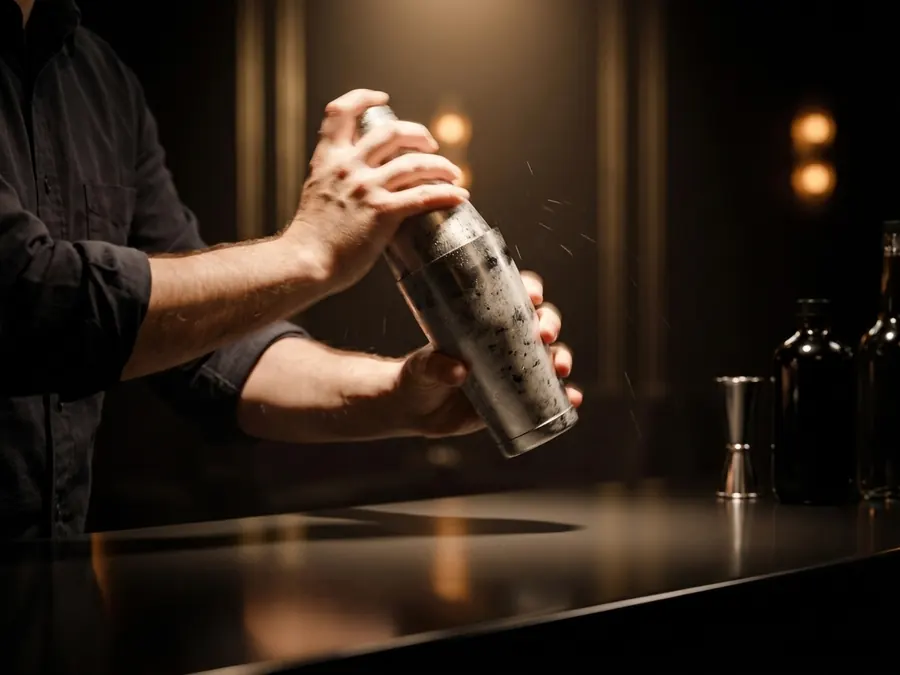
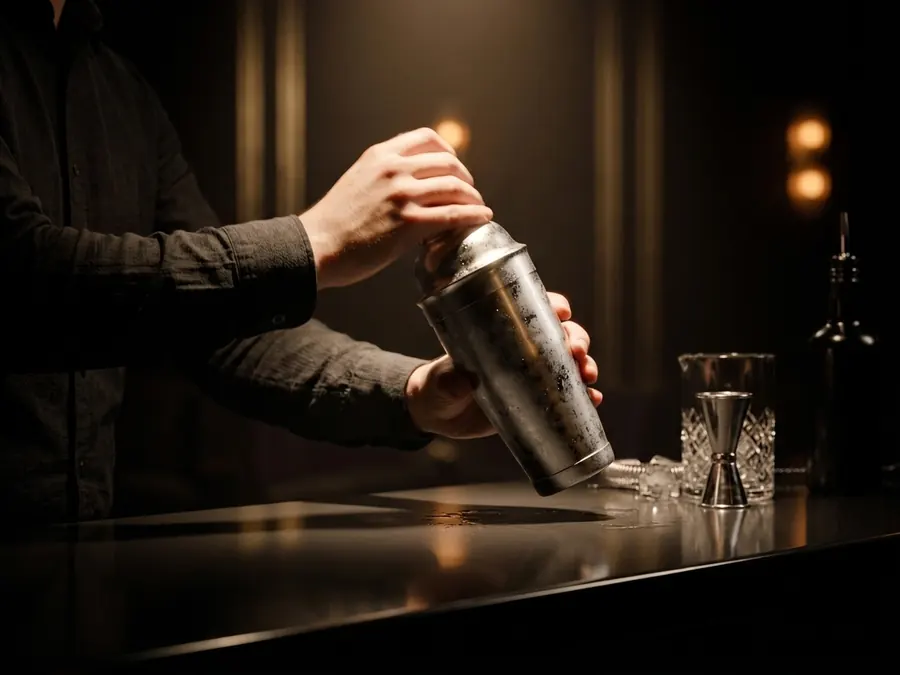
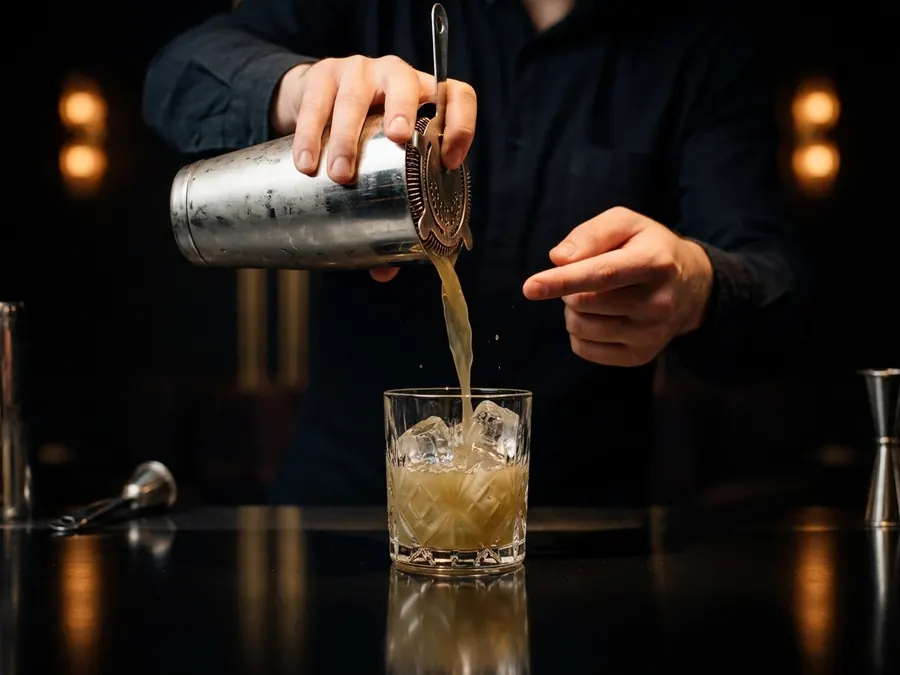
- Shake hard and strain over fresh ice.
- Garnish with a lime wheel.
Variations
| Variation | What changes |
|---|---|
| Caipirinha | Cachaça, lime and sugar, muddled |
| Industry Sour | Fernet and Chartreuse |
| Fernet con Coca | Fernet and cola |
Macunaíma FAQ
What is in a Macunaíma?
Cachaça, Fernet-Branca, lime juice and sugar syrup.
Who was Macunaíma?
The trickster hero of Mário de Andrade's 1928 novel.
Is it bitter?
Bittersweet; the lime and sugar balance the Fernet.
What glass is a Macunaíma served in?
A rocks glass. The wide glass holds plenty of ice and lets the aroma open up.
Is a Macunaíma shaken or stirred?
Shaken. It contains citrus, which needs the force and aeration of shaking.
How strong is a Macunaíma?
About 16% ABV after dilution, or roughly 1.3 US standard drinks (19 g of alcohol) per serve.
How many calories are in a Macunaíma?
Roughly 180 kcal per drink, most of it from alcohol.
Can I make a Macunaíma without cachaça?
Yes. Rhum Agricole is the closest substitute, though the drink will taste different.


