
History of the Cantarito
- Origin
- Jalisco, Mexico
- Served in
- Clay cup (cantarito)
- Family
- Highball
- Base
- Tequila
The Cantarito comes from the tequila country of Jalisco, where roadside stands between Guadalajara and the town of Tequila serve it in small clay pots called cantaritos. The clay is soaked in water, which keeps the drink cold as it evaporates.
It mixes tequila with fresh orange, grapefruit and lime and tops it with grapefruit soda, with salt and chili on the rim. At stands in Amatitán and Tequila, it is often made in large clay pots to share.
Fun Facts
- "Cantarito" means "little jug" in Spanish.
- It is a close relative of the Paloma.
- Many stands add Tajín or chili salt to the rim.
Variations
| Variation | What changes |
|---|---|
| Paloma | Grapefruit soda and lime only |
| Ranch Water | Mineral water and lime |
| Tequila Sunrise | Orange juice and grenadine |
Cantarito FAQ
What is a Cantarito?
Tequila with orange, grapefruit and lime juice, topped with grapefruit soda.
Do I need a clay cup?
No. A highball works; clay just keeps it colder.
Which soda should I use?
Mexican grapefruit soda such as Squirt or Jarritos Toronja.
What glass is a Cantarito served in?
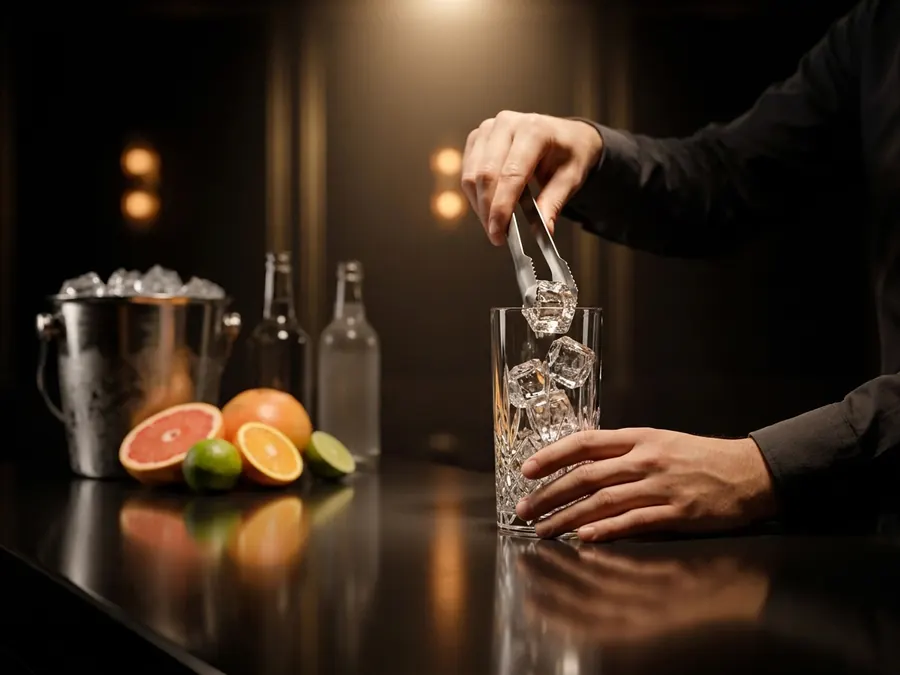
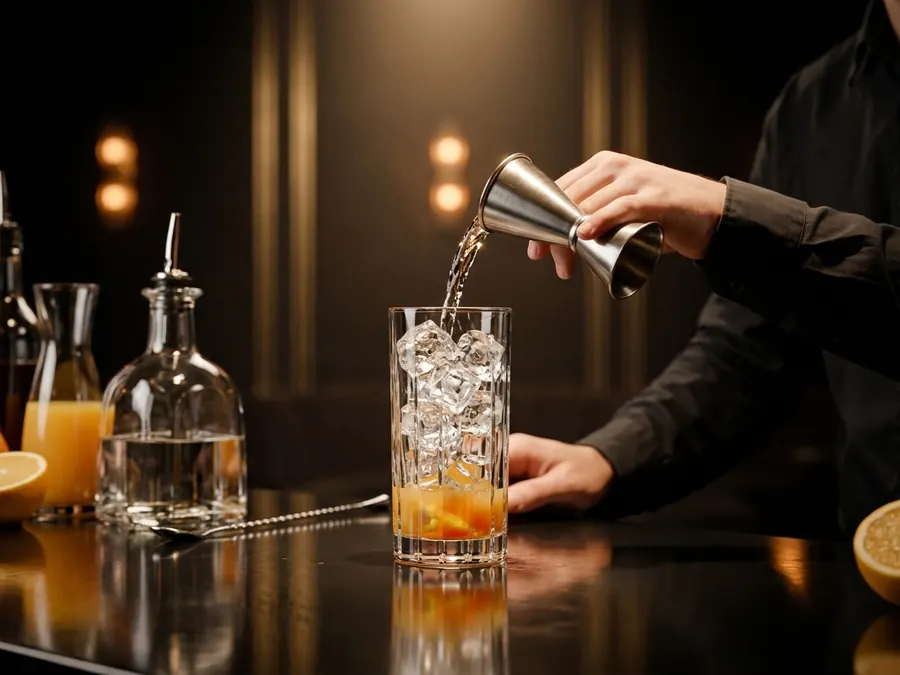
A highball glass. A narrow column of liquid loses bubbles slowly, and a full load of ice keeps the drink cold without watering it down fast.
Is a Cantarito shaken or stirred?
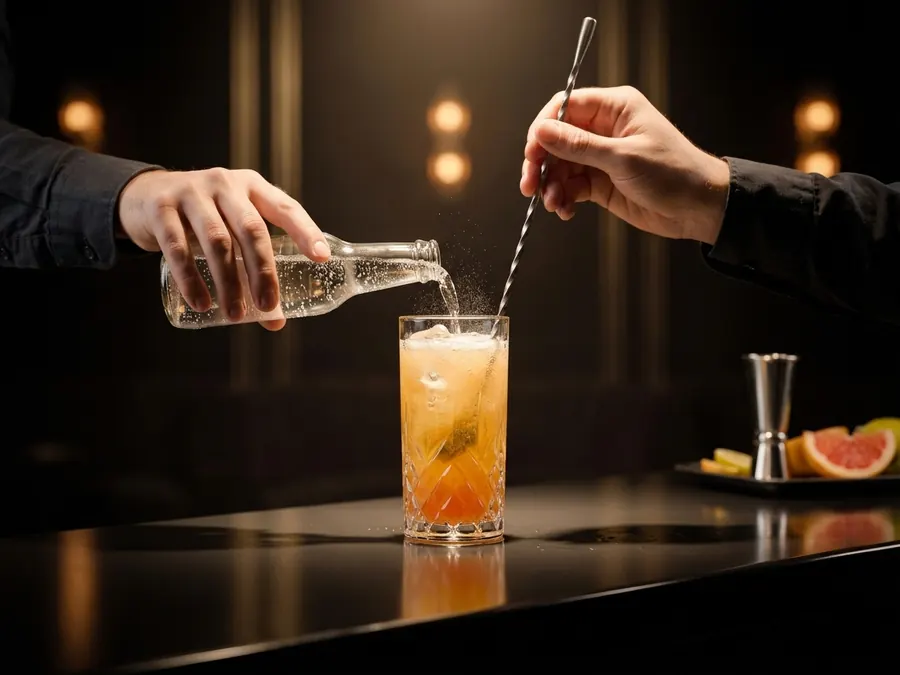
Neither. It is built directly in the glass and given a gentle stir.
How strong is a Cantarito?
About 10% ABV after dilution, or roughly 1.1 US standard drinks (16 g of alcohol) per serve.
How many calories are in a Cantarito?
Roughly 166 kcal per drink, most of it from alcohol.
Can I make a Cantarito without tequila blanco?
Yes. Tequila Reposado is the closest substitute, though the drink will taste different.


