
History of the Suze Tonic
- Origin
- France
- Created
- 20th century
- Family
- Highball
- Base
- Suze gentian apéritif
Suze has been made from the root of wild yellow gentian since 1889, and its sharp, earthy bitterness has made it a French classic. Pablo Picasso included a bottle of Suze in his 1912 collage Glass and Bottle of Suze. Served long with tonic and ice, it is one of the great bitter highballs.
Bartenders love it for the same reason drinkers sometimes fear it: it is properly bitter, with a dry, citrus finish that makes it a perfect apéritif.
How to Get It Right
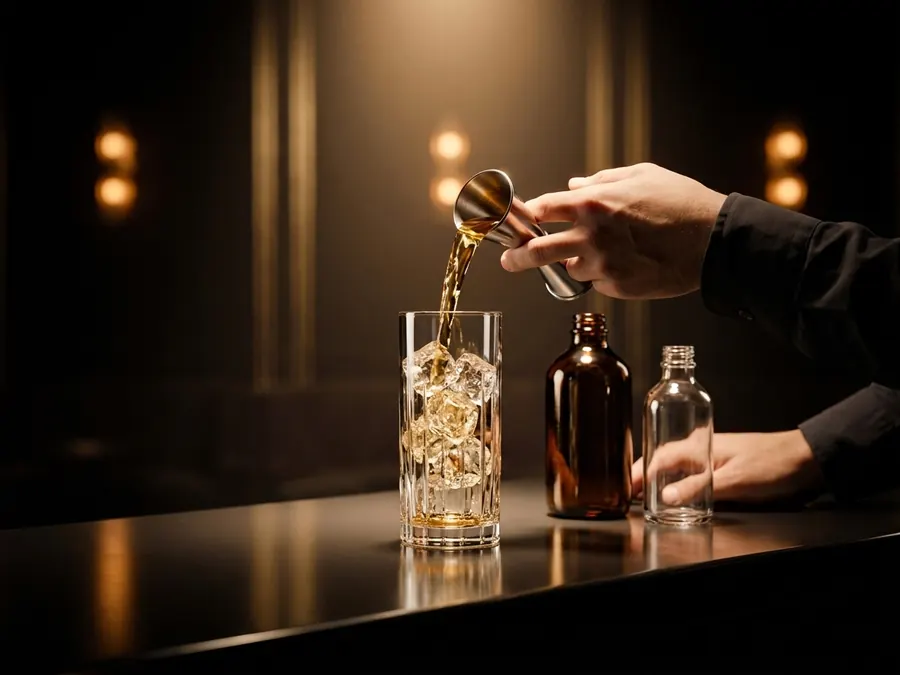
- One part Suze to two or three parts tonic.
- Pink grapefruit is the best garnish for gentian.
- Use a light tonic so the Suze shows.
Fun Facts
- Gentian roots can take years to grow before they are harvested.
- Suze is also the bitter in the White Negroni.
- Its bottle shape and yellow colour have barely changed since the early 1900s.
Variations
| Variation | What changes |
|---|---|
| White Negroni | Gin, Suze and Lillet Blanc |
| Lillet Tonic | Lillet Blanc instead of Suze |
| Campari Soda | Campari with soda |
Suze Tonic FAQ
What is Suze?
A French apéritif made from gentian root, bitter and golden yellow.
What does a Suze Tonic taste like?
Bitter, earthy and citrusy, with a dry finish.
What is the ratio for a Suze Tonic?
About one part Suze to two or three parts tonic.
What glass is a Suze Tonic served in?
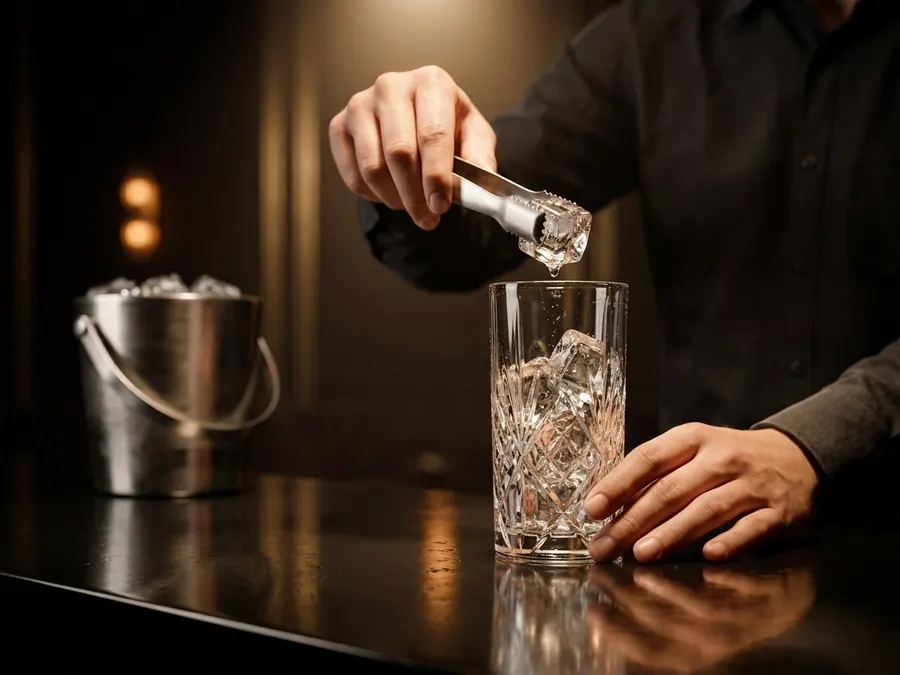
A highball glass. A narrow column of liquid loses bubbles slowly, and a full load of ice keeps the drink cold without watering it down fast.
Is a Suze Tonic shaken or stirred?
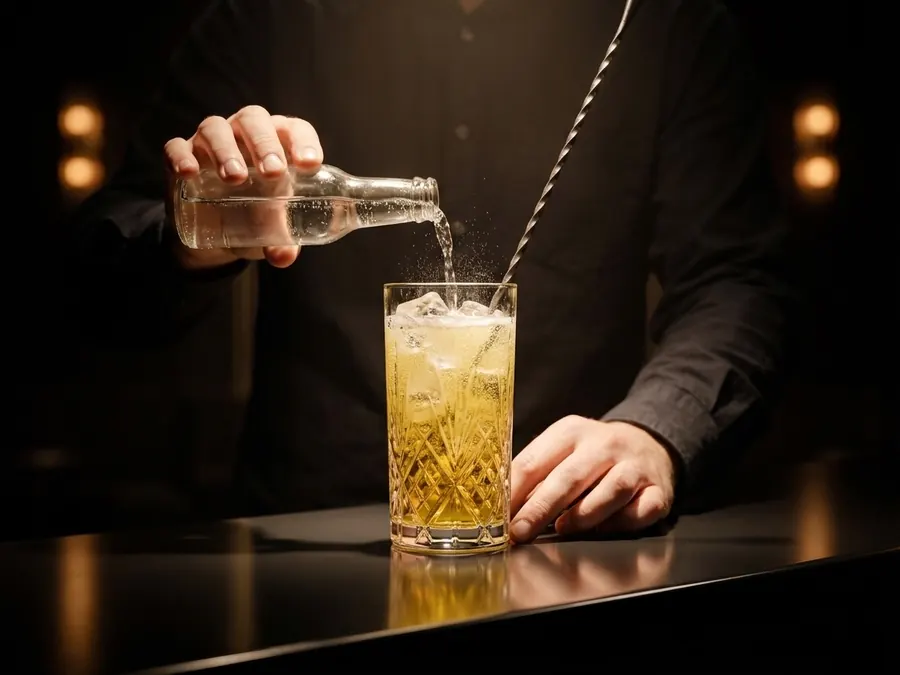
Neither. It is built directly in the glass and given a gentle stir.
How strong is a Suze Tonic?
About 4% ABV after dilution, or roughly 0.4 US standard drinks (6 g of alcohol) per serve.
How many calories are in a Suze Tonic?
Roughly 112 kcal per drink, most of it from alcohol and sugar.


