
History of the Beton
- Origin
- Karlovy Vary, Czech Republic
- Created
- 1967
- Family
- Highball
- Base
- Becherovka and tonic
Becherovka has been made in the spa town of Karlovy Vary, Carlsbad in German, since 1807, when pharmacist Josef Becher began selling a herbal bitter as a stomach remedy. The recipe of around 20 herbs and spices is still secret, known to only two people at a time.
In 1967 the company promoted the liqueur mixed with tonic water under a new name: BEcherovka plus TONic made Beton, which also means "concrete" in Czech. The drink stuck, and it is now as Czech as pilsner.
How to Get It Right
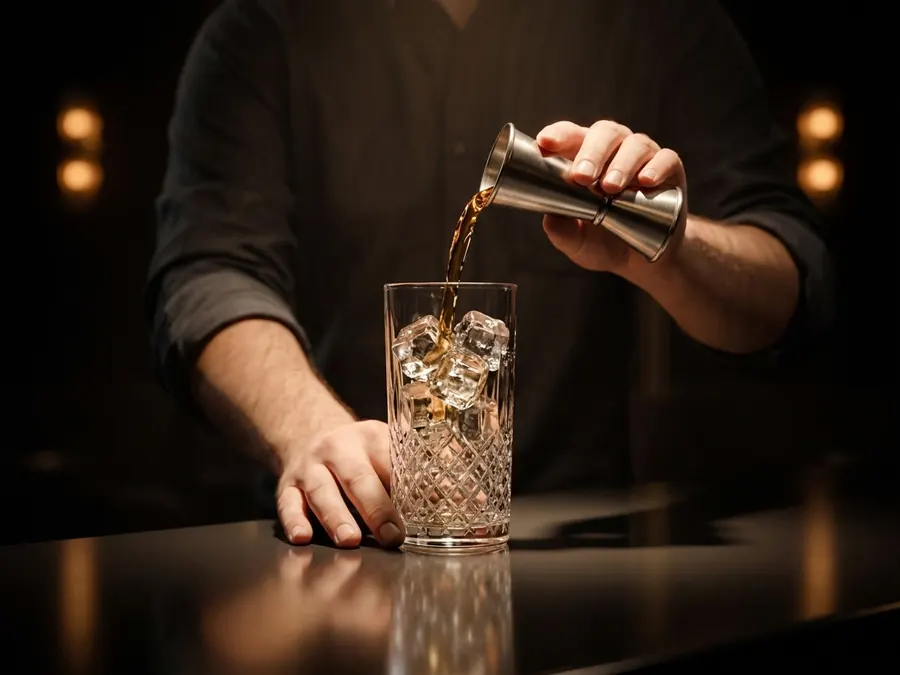
- One part Becherovka to two or three parts tonic.
- A lemon wheel is traditional; a slice of fresh ginger is a modern twist.
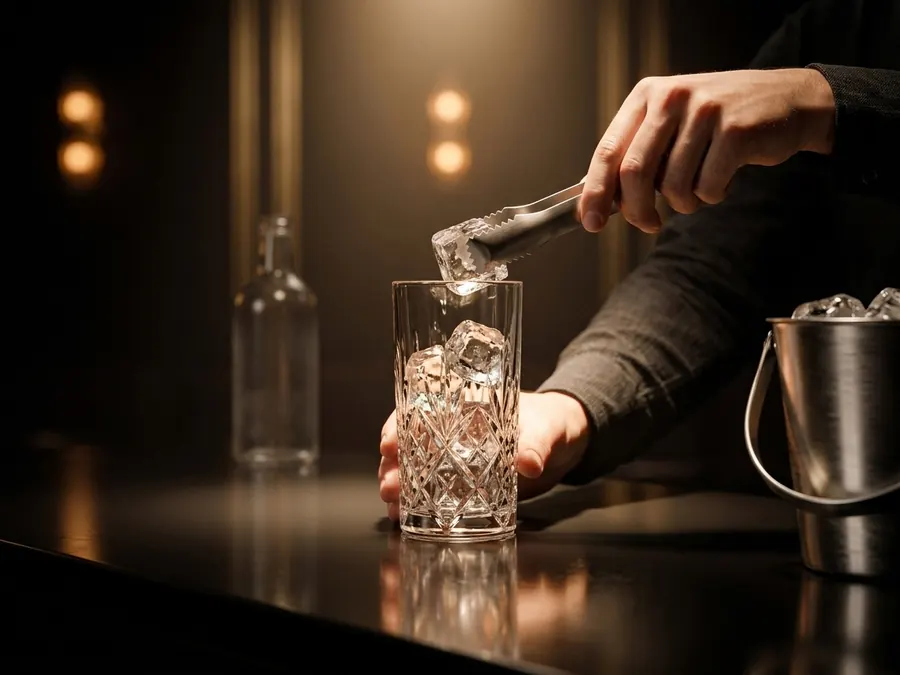
- Lots of ice keeps it crisp.
Fun Facts
- Becherovka is nicknamed the "13th spring" of Karlovy Vary, a town famous for its twelve healing springs.
- Becherovka is often drunk neat and ice cold as a digestif.
- The bottle's flat shape has been a design classic for decades.
Variations
| Variation | What changes |
|---|---|
| Gin and Tonic | Gin instead of Becherovka |
| Suze Tonic | French gentian apéritif |
| Portonic | White port and tonic |
Beton FAQ
What is a Beton?
Becherovka herbal liqueur with tonic water, the Czech national highball.
What does Beton mean?
It combines BEcherovka and TONic, and also means concrete in Czech.
What does Becherovka taste like?
Cinnamon, clove, ginger and anise, with a gentle bitterness.
What glass is a Beton served in?
A highball glass. A narrow column of liquid loses bubbles slowly, and a full load of ice keeps the drink cold without watering it down fast.
Is a Beton shaken or stirred?
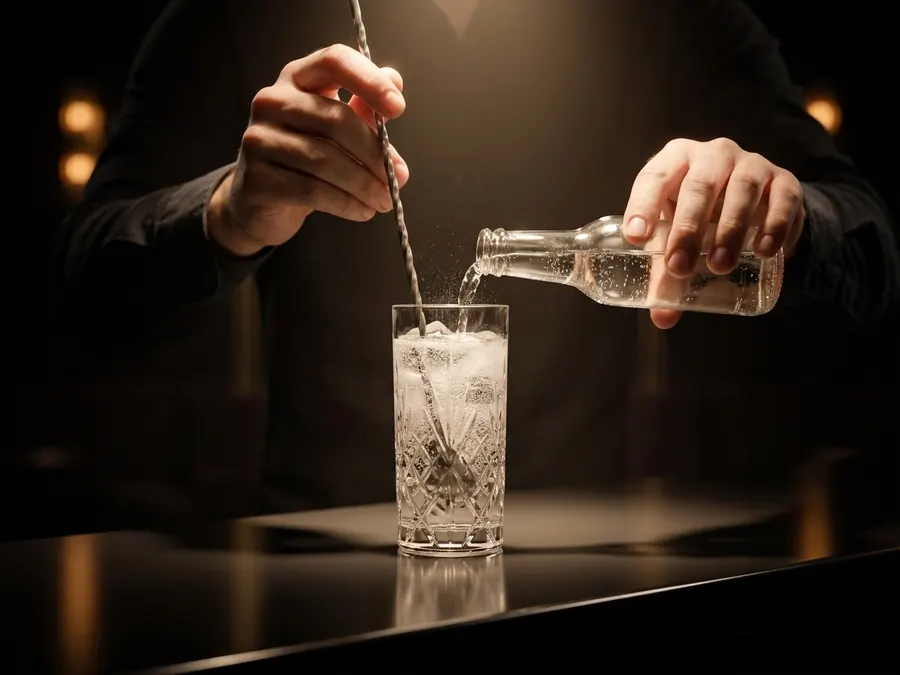
Neither. It is built directly in the glass and given a gentle stir.
How strong is a Beton?
About 9% ABV after dilution, or roughly 0.9 US standard drinks (12 g of alcohol) per serve.
How many calories are in a Beton?
Roughly 169 kcal per drink, most of it from alcohol and sugar.


