
History of the Roy Rogers
- Origin
- United States
- Created
- 1940s to 1950s
- Family
- Alcohol-free highball
- Named after
- Actor Roy Rogers
Roy Rogers, the "King of the Cowboys", starred in more than 100 westerns and his own television show in the 1940s and 1950s. The cola-and-grenadine drink named after him is said to have been created as the boys' answer to the Shirley Temple, and the two drinks were long served side by side at family restaurants and hotel bars.
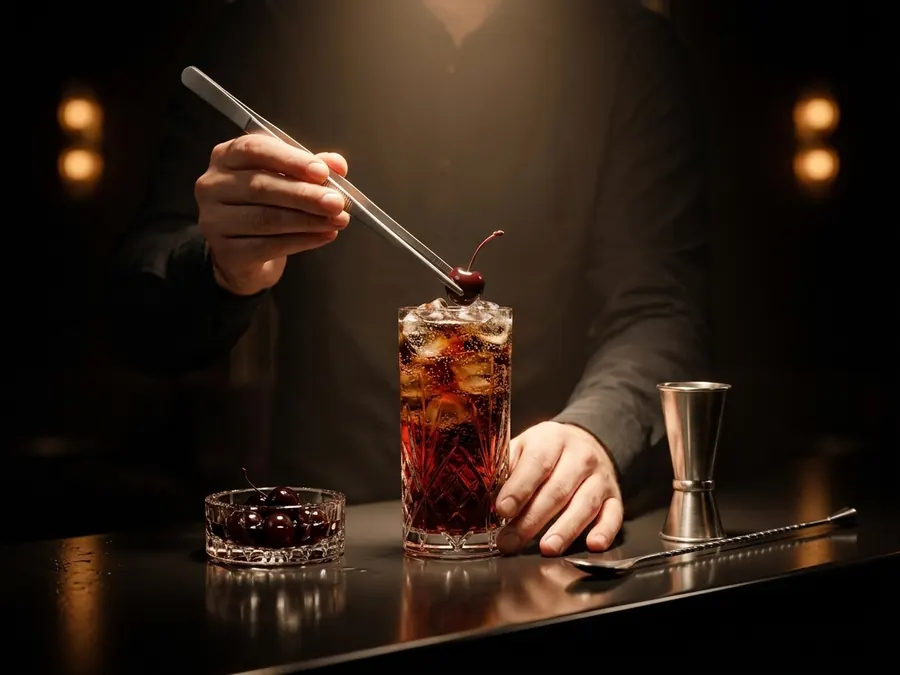
It is sweet, fizzy and red-tinted, garnished with a maraschino cherry.
How to Get It Right
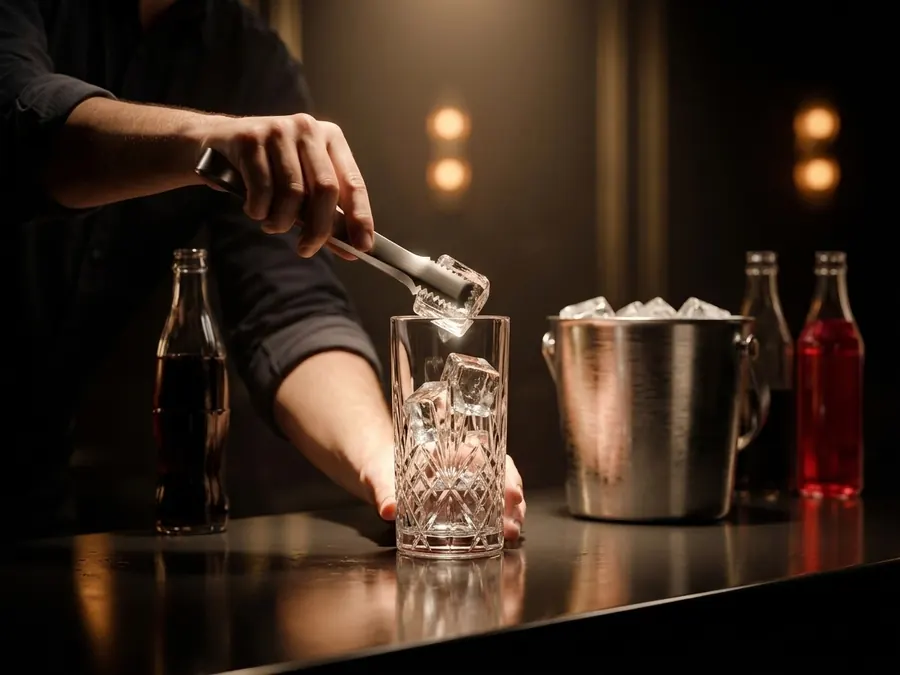
- Use very cold cola and plenty of ice.
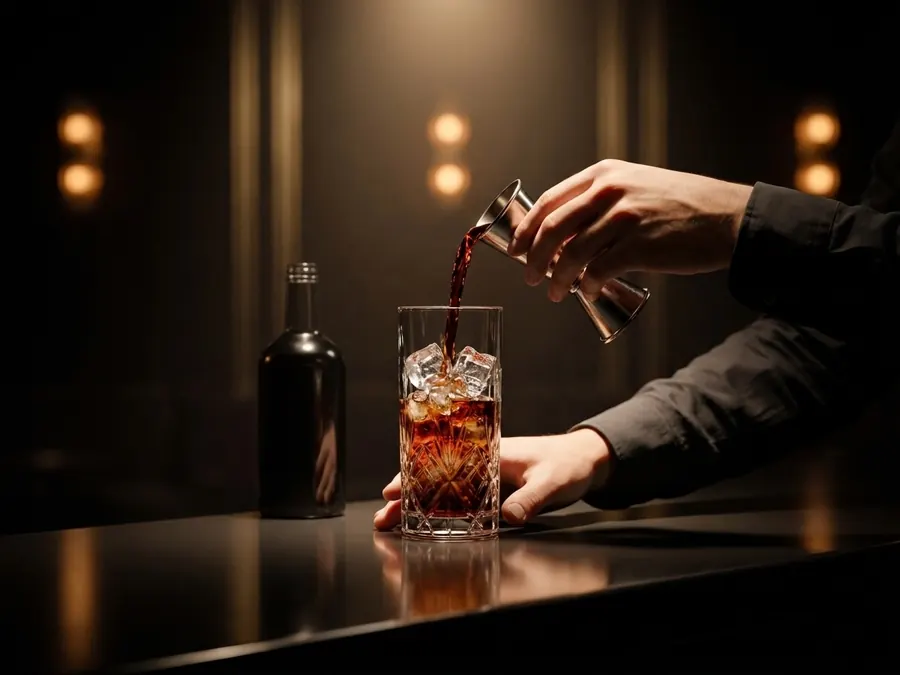
- Add the grenadine last so it sinks and swirls.
- A squeeze of lime cuts the sweetness.
Fun Facts
- Roy Rogers' horse, Trigger, was nearly as famous as he was.
- Roy Rogers also lent his name to a chain of fast-food restaurants, founded in 1968.
Making Better Mocktails
- Balance still matters. Sweet and sour in proportion is what makes a drink taste like a cocktail.
- Add bitterness or spice. Tonic, ginger beer, grapefruit or a few dashes of bitters give alcohol-free drinks the bite that spirits normally bring. Note that most cocktail bitters contain alcohol in tiny amounts.
- Use the same glass and garnish as the original, so the drink feels special.
- See all our alcohol-free cocktails.
Roy Rogers FAQ
What is in a Roy Rogers?
Cola, grenadine and a maraschino cherry.
What is the difference between a Roy Rogers and a Shirley Temple?
A Roy Rogers uses cola; a Shirley Temple uses ginger ale.
Is it alcoholic?
No, it is alcohol-free.
What glass is a Roy Rogers served in?
A highball glass. A narrow column of liquid loses bubbles slowly, and a full load of ice keeps the drink cold without watering it down fast.
Is a Roy Rogers shaken or stirred?
Neither. It is built directly in the glass and given a gentle stir.
How strong is a Roy Rogers?
About 0% ABV after dilution, or roughly 0 US standard drinks (0 g of alcohol) per serve.
How many calories are in a Roy Rogers?
Roughly 116 kcal per drink, most of it from alcohol and sugar.


