
History of the Melon Ball
- Origin
- United States
- Popular
- 1980s
- Key ingredient
- Midori melon liqueur
- Family
- Highball
Midori, the bright green Japanese melon liqueur, arrived in the United States in 1978, and its colour became one of the looks of the following decade. The Melon Ball was one of its simplest and most popular serves: vodka, melon liqueur and orange juice over ice.
It is just as often made with pineapple juice instead of orange, which gives a greener, more tropical drink. As a shooter it was a staple of 1980s party bars.
How to Get It Right
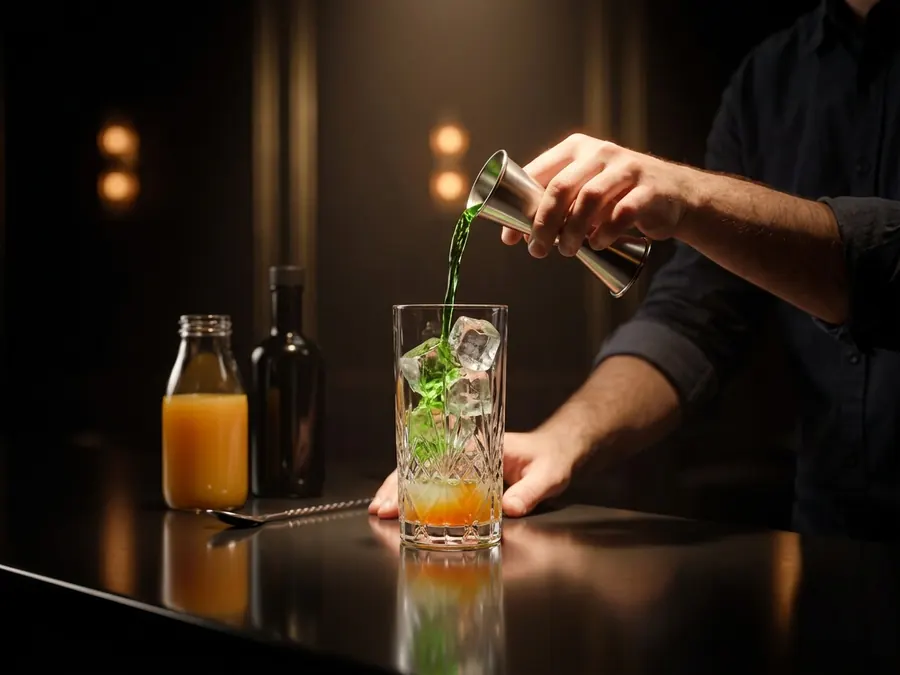
- Pour the melon liqueur first and the juice gently on top for a layered look.
- Fresh juice balances the sweetness of the liqueur.
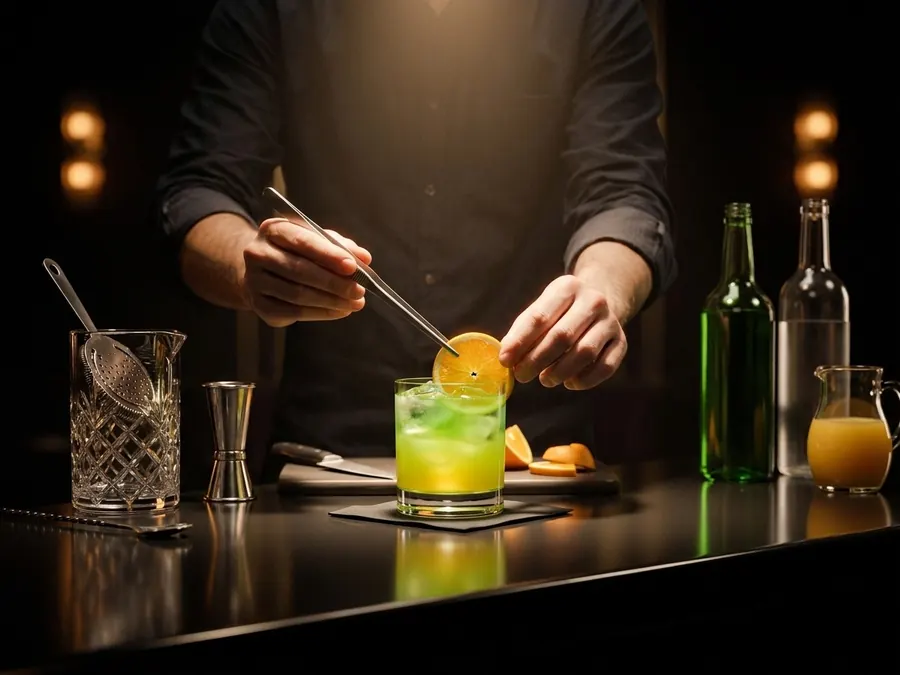
- Garnish with an orange slice or a melon ball on a pick.
Variations
| Variation | What changes |
|---|---|
| Midori Sour | Melon liqueur with lemon and lime |
| Japanese Slipper | Melon liqueur, Cointreau and lemon |
| Tokyo Tea | Long Island style with melon liqueur |
Melon Ball FAQ
What is in a Melon Ball?
Vodka, melon liqueur and orange juice.
Can I use pineapple juice?
Yes, many bars do; it is greener and more tropical.
What is Midori?
A Japanese melon liqueur, launched in the US in 1978.
What glass is a Melon Ball served in?
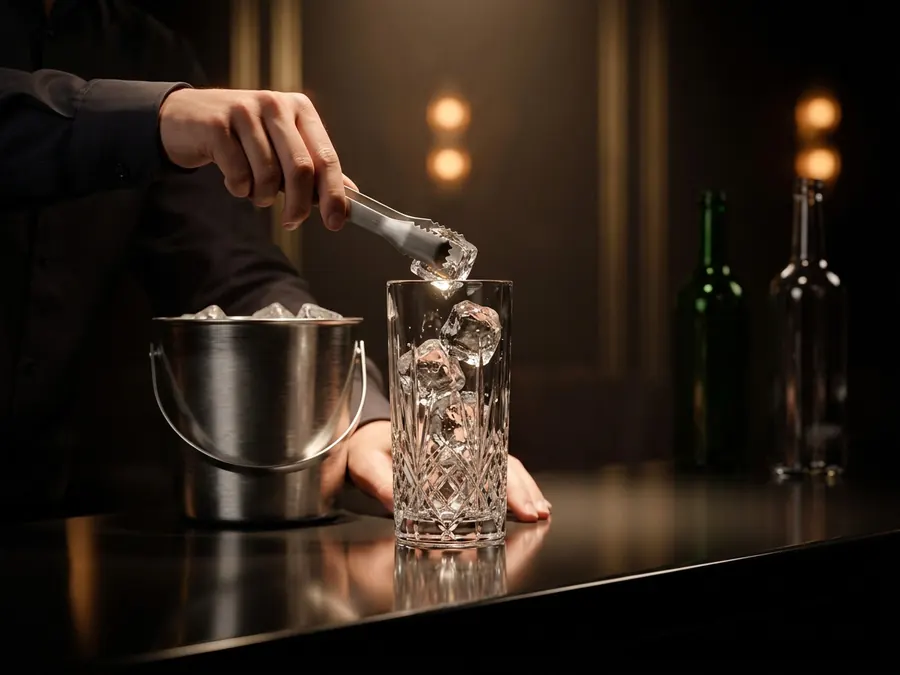
A highball glass. A narrow column of liquid loses bubbles slowly, and a full load of ice keeps the drink cold without watering it down fast.
Is a Melon Ball shaken or stirred?
Neither. It is built directly in the glass and given a gentle stir.
How strong is a Melon Ball?
About 10% ABV after dilution, or roughly 1 US standard drinks (14 g of alcohol) per serve.
How many calories are in a Melon Ball?
Roughly 180 kcal per drink, most of it from alcohol and sugar.
Can I make a Melon Ball without vodka?
Yes. London Dry Gin is the closest substitute, though the drink will taste different.


