
History of the Cape Codder
- Origin
- Massachusetts, USA
- Created
- 1940s to 1960s
- Promoted by
- Ocean Spray, the cranberry growers' cooperative
- Family
- Highball
Ocean Spray, a cooperative of cranberry growers in Massachusetts, promoted cranberry juice cocktails in the 1940s and 1960s. Vodka and cranberry, first called the Red Devil and later the Cape Codder after the cranberry bogs of Cape Cod, became one of America's most ordered highballs.
Fun Facts
- Cranberries are harvested by flooding the bogs so the berries float.
- The Cape Codder led to the Sea Breeze, Bay Breeze and Cosmopolitan.
- Most bars simply call it a Vodka Cranberry or a "vodka cran": it is the same drink.
Variations
| Variation | What changes |
|---|---|
| Sea Breeze | Grapefruit juice |
| Bay Breeze | Pineapple juice |
| Madras | Orange juice |
Cape Codder FAQ
What is a Cape Codder?
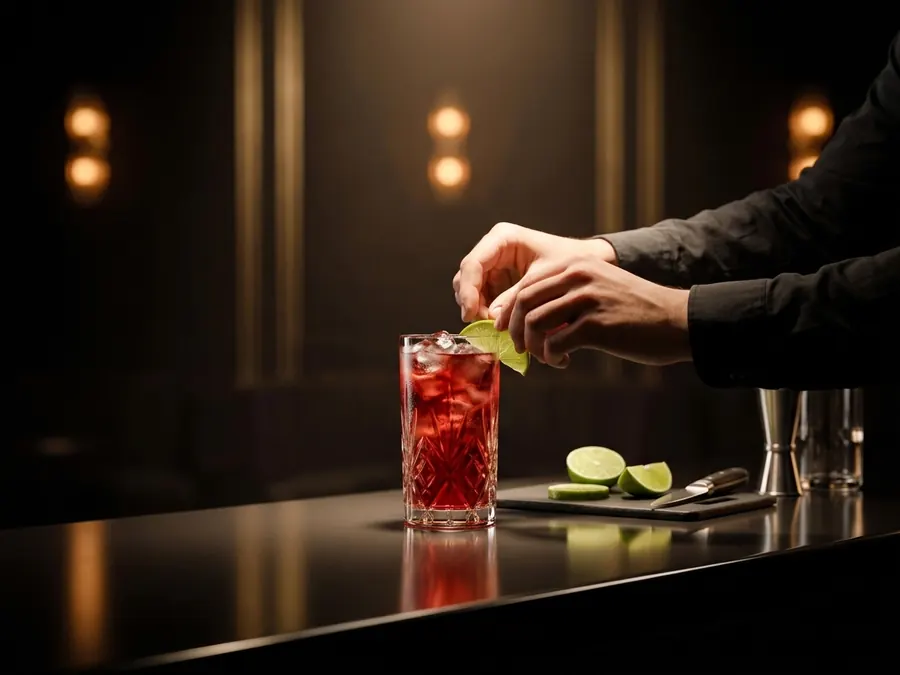
Vodka and cranberry juice with lime.
Why is it called a Cape Codder?
After Cape Cod, Massachusetts, famous for cranberry bogs.
Is it the same as a vodka cranberry?
Yes, essentially.
What glass is a Cape Codder served in?
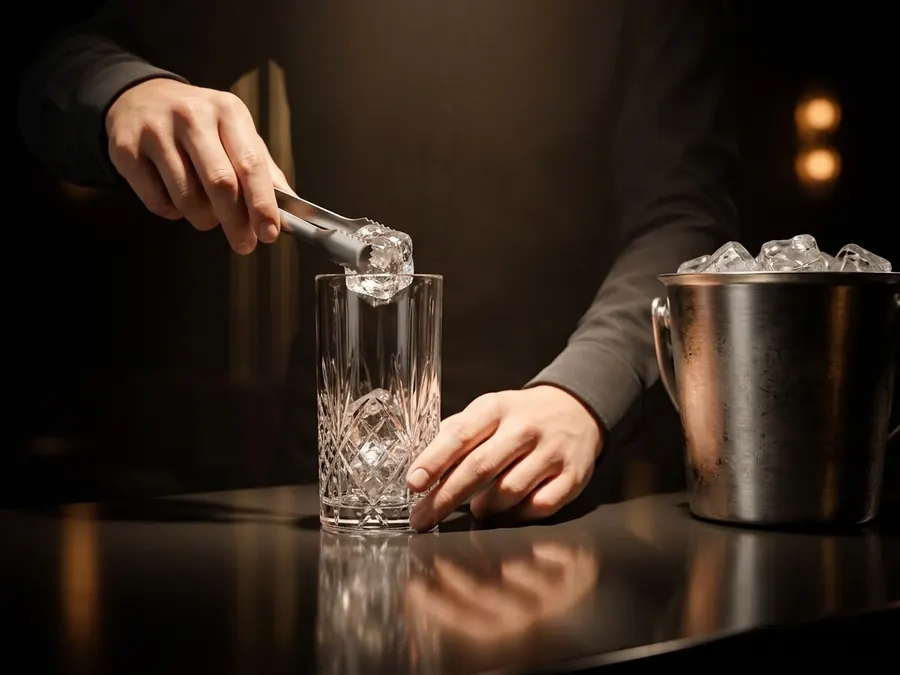
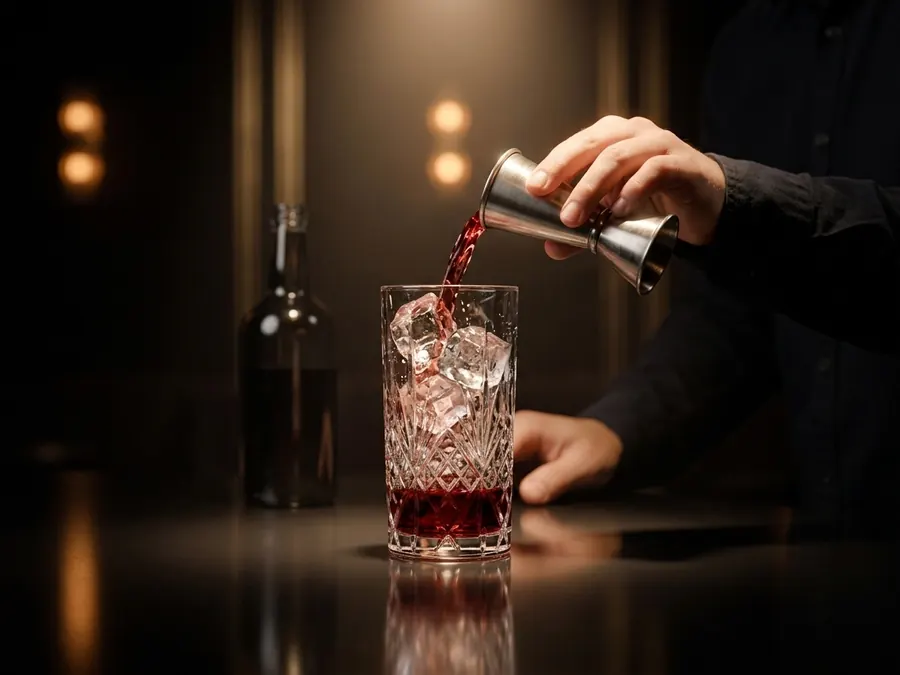
A highball glass. A narrow column of liquid loses bubbles slowly, and a full load of ice keeps the drink cold without watering it down fast.
Is a Cape Codder shaken or stirred?
Neither. It is built directly in the glass and given a gentle stir.
How strong is a Cape Codder?
About 10% ABV after dilution, or roughly 1 US standard drinks (14 g of alcohol) per serve.
How many calories are in a Cape Codder?
Roughly 167 kcal per drink, most of it from alcohol and sugar.
Can I make a Cape Codder without vodka?
Yes. London Dry Gin is the closest substitute, though the drink will taste different.


